Alberta Referendum Results: 76% Vote to Stay in Canada as CBC Projects Decisive Remain Win
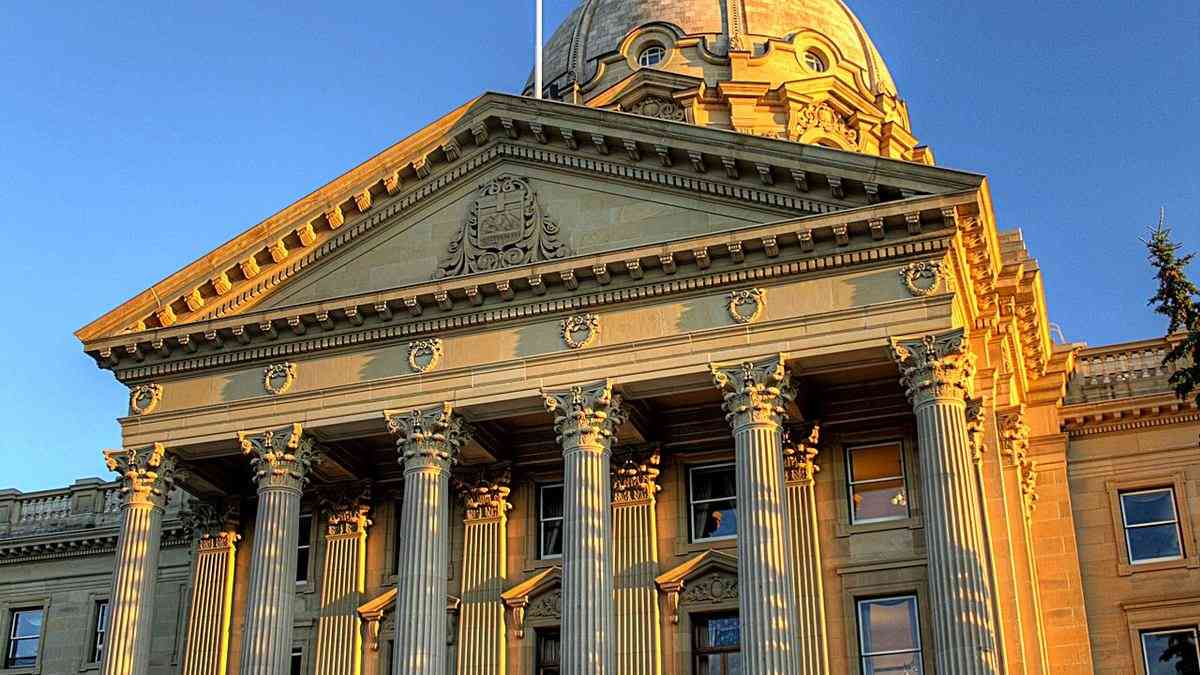
Photo: WinterE229 / Wikimedia Commons (CC0)
It's over. Alberta had its say on Monday, and the answer was about as clear as referendum results come: the province is staying in Canada.
The CBC's projection puts the remain vote above 76 per cent, with just under a quarter backing the alternative — starting the legal process toward a binding referendum on separation. Not close. A decisive no to the separatist path, the kind of margin that settles an argument instead of starting one.
The remain vote won everywhere, per the CBC's numbers: more than 80 per cent in Edmonton and Calgary, over 60 per cent even in some rural central areas — the parts of the province where separatist sentiment was supposed to run hottest. When you lose the countryside this badly, the debate is over for a while.
What was actually on the ballot
Precision matters here. Question 10 — one of ten on Monday's ballot — asked: "Should Alberta remain a province of Canada, or should the Government of Alberta commence the legal process required under the Canadian Constitution to hold a binding provincial referendum on whether or not Alberta should separate from Canada?"
Note what the wording does not say: independence. This was a vote on whether to start a process that could lead to a second, binding referendum — non-binding itself, with a "yes" obliging negotiation under the Supreme Court's 1998 Secession Reference, not an automatic exit. That distinction got lost in the campaign's heat.
Ballots were counted by hand at each voting place, one question at a time, with Question 10 counted first everywhere — which is why the separation result was the first to land on Monday evening. The unofficial count can take up to 48 hours when there are seven or more questions on the ballot.
Why Ottawa held its breath
Prime Minister Mark Carney called this referendum a "dangerous bluff." He kept invoking his years running the Bank of England during Brexit, warning of crippling economic consequences — at a moment when Canada is in a trade war with the US and President Trump keeps making noises about Canadian sovereignty.
Enjoyed this guide?
Canada Pulse is an independent publication. Every guide is researched, written and carefully edited, and kept free forever. If this saved you time or made your life easier, please don't let the effort go unnoticed — support our work with whatever you can, from $1 upward. Every dollar keeps the guides coming.
💛 Donate via PayPalCarney, who grew up in Alberta, told a Calgary crowd last week that "the frustrations that many Albertans have felt are real" — but that separation would "burden" the province "with years of deep division and great uncertainty." The polls had remain ahead all along (Leger's October survey: 70 per cent to 22 per cent), and the result came in even stronger than that.
The fallout nobody can avoid
The separatists aren't conceding the argument, only the vote. Their line on Monday night: this won't settle the debate on Alberta's status, and they'll keep fighting no matter the result. With nearly a quarter of voters backing the process option, they have a base — just not a winning one.
Danielle Smith, the Alberta premier, says she's a federalist — but she came to power in 2022 with separatist support inside her United Conservative Party, and the campaign hammered her from every direction. Now she presides over a party still divided over the whole thing.
The backstory matters. After the 2025 federal election, Alberta passed Bill 54, lowering the threshold for citizen-initiated referendums. The separatist Alberta Prosperity Project gathered about 223,000 verified signatures — but a Court of King's Bench justice quashed the petition over failed First Nations consultation. A rival pro-Canada petition verified 404,293 signatures. Smith then added her own tenth question in May — and a courtroom fight became the biggest vote in Alberta's modern history.
My honest read
This was a rout, and routs have consequences. The separatist movement spent years arguing that Ottawa's contempt was pushing Alberta toward the exit. On Monday, Alberta looked at the exit and walked past it — in the cities by four-to-one, in the countryside by nearly two-to-one.
The grievances don't vanish — a quarter of the province voted to start the separation process. But there's a difference between being angry at Ottawa and being willing to blow up the country over it. Alberta just drew that line, in ink.
From here it's procedural: the minister must report the results to the Legislative Assembly "as soon after they are known as practicable." The hand count finishes, the other nine questions get tallied, and the province moves on. The separatists will regroup — they always do — but from a much smaller room than they hoped.
Sources
- Wall Street Journal — "Albertans Vote to Stay in Canada in Historic Referendum" (CBC projections, Oct 20, 2026) — wsj.com
- CNN (Max Saltman) — "Alberta rejects secession referendum, chooses to remain part of Canada, CBC projects" (Oct 20, 2026) — cnn.com
- Elections Alberta — official referendum information and results reporting — elections.ab.ca
Enjoyed this guide?
Canada Pulse is an independent publication. Every guide is researched, written and carefully edited, and kept free forever. If this saved you time or made your life easier, please don't let the effort go unnoticed — support our work with whatever you can, from $1 upward. Every dollar keeps the guides coming.
💛 Donate via PayPal