Bank of Canada Rate Hike October 28, 2026: Majority of Economists Now Expect Rise to 2.50% — Reuters Poll
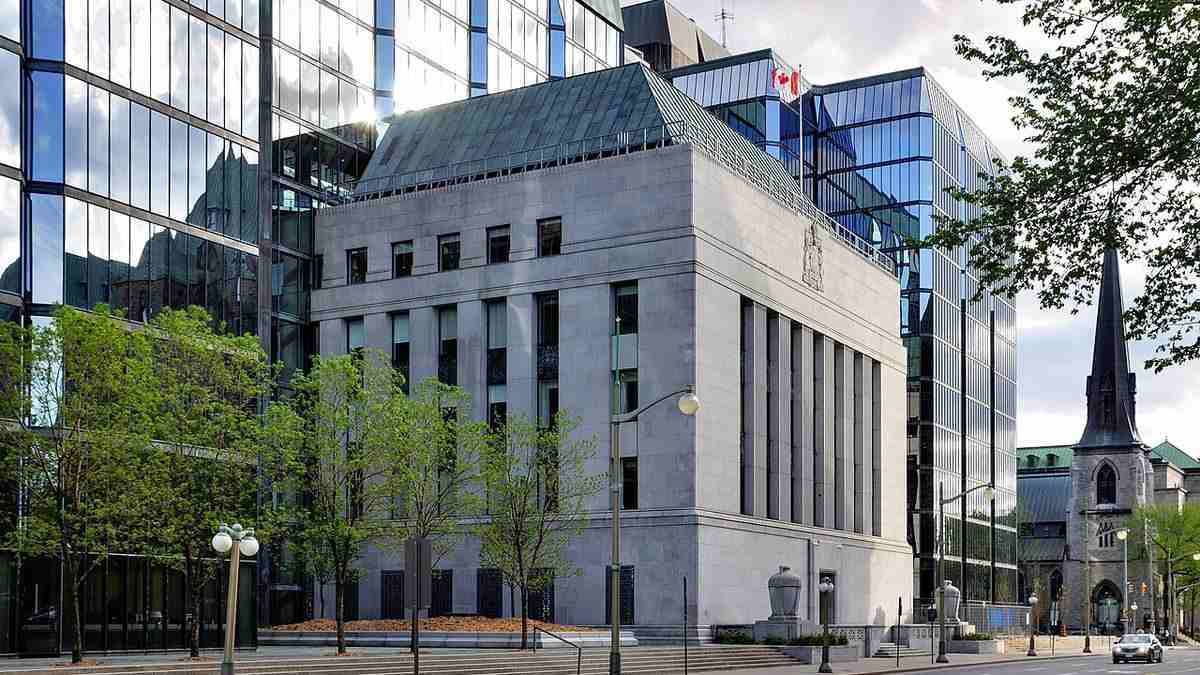
Photo: Wladyslaw / Wikimedia Commons (CC BY-SA 3.0). File photo of the Bank of Canada's Ottawa headquarters — not from this week's announcement.
I've covered enough Bank of Canada decisions to know they rarely surprise. But Wednesday's rate call is shaping up to be the exception — because the economist class just flipped, almost in unison, in a matter of days. A new Reuters survey out Friday says a clear majority of forecasters now expect Tiff Macklem to raise rates on October 28. Just one poll ago, 80 per cent of them were predicting he'd hold steady all the way through next year.
The poll, conducted October 21 to 23 among 34 economists, found 19 of them — 56 per cent — calling for a 25-basis-point hike that would take the overnight rate to 2.50 per cent. That would be the Bank's first move in a full year, and the majority also expect one more hike to follow by the end of March.
Bank of Canada October 28 rate decision: what the new poll says
Let's be blunt about how dramatic the turnaround is. The previous Reuters poll had the bankers' crowd sitting on hold: eight in ten said the policy rate would stay at 2.25 per cent until the end of 2026, and two-thirds stretched that call to the end of March 2027. Now the same street is talking hikes — plural.
The trigger wasn't a single data point so much as a pile-up of them. September inflation printed at 3.1 per cent, just above the Bank's 1-to-3 per cent control range. Then the Bank's own business outlook survey, published Monday, showed inflation expectations rising sharply — in the middle of a blown-up trade negotiation with the United States, Canada's biggest export market.
September inflation 3.1% and Macklem's hawkish remarks changed everything
The real turning point, though, was the governor himself. On Saturday, October 17, Tiff Macklem told reporters the Bank expects to raise its quarterly inflation forecast "significantly" this month because of persistently high crude oil and petroleum product prices — and openly posed the question markets took as a signal: "Is inflation likely to come back down towards our target on its own, or are we going to have to raise interest rates to influence the path?"
Enjoyed this guide?
Canada Pulse is an independent publication. Every guide is researched, written and carefully edited, and kept free forever. If this saved you time or made your life easier, please don't let the effort go unnoticed — support our work with whatever you can, from $1 upward. Every dollar keeps the guides coming.
💛 Donate via PayPalTraders heard that loud and clear. Interest rate futures went from pricing a roughly 30 per cent chance of an October hike to around three-in-four in the space of days. And the bank economists flipped right along with them.
"What changed the tone in the governor's public comments on the weekend and what changed our view on Monday is the same source, and that is the responses from the BoC's business outlook and consumer surveys," said Royce Mendes, managing director and head of macro strategy at Desjardins, as reported by Reuters. "The survey responses suggest there are more serious inflationary pressures coming."
Friday's retail sales numbers poured more fuel on it. Canadian retail sales rose 1.2 per cent in August from July, with a preliminary estimate of 0.7 per cent growth in September — resilient enough that Desjardins analyst Oskar Stone wrote the data points to 2 per cent third-quarter GDP growth, and said the bank "is headed for a rate increase next week." The loonie caught the same bid: it hit a five-week high of 1.40 to the US dollar Friday, on track for its seventh straight daily gain — the longest streak since March 2022.
What a Bank of Canada rate hike means for your mortgage in Canada
For homeowners, the math is uncomfortably simple. A quarter-point hike takes prime from 4.45 per cent to 4.70 per cent, and every adjustable variable-rate mortgage in the country reprices within a day or two. On a $400,000 balance with 25 years left, that's roughly $56 to $80 more out of your pocket every month.
Fixed-rate borrowers aren't sheltered either — they're already feeling it. Fixed rates track Government of Canada bond yields, not the Bank, and yields have been climbing since late August as markets priced in exactly this outcome. BMO's 5-year fixed special hit 5.14 per cent in early October; TD's reached 5.39 per cent by mid-month.
The decision lands Wednesday, October 28 at 9:45 a.m. ET. No official-outlet video was available from CBC or Global News at publication time, so no video is embedded with this article.
Sources
- Reuters — POLL: Bank of Canada to raise rates to 2.50% on October 28 and once again by end-March
- Reuters — Canadian dollar hits five-week high as data supports rate hike bets
- Canadian Mortgage Trends (Bloomberg reporting) — Macklem sees higher oil prices boosting growth, inflation
Enjoyed this guide?
Canada Pulse is an independent publication. Every guide is researched, written and carefully edited, and kept free forever. If this saved you time or made your life easier, please don't let the effort go unnoticed — support our work with whatever you can, from $1 upward. Every dollar keeps the guides coming.
💛 Donate via PayPal