BC Election 2026 Polls: Conservatives Lead Eby's NDP Ahead of October 24 Vote
British Columbia is heading for a photo-finish election. With voting day set for October 24 — just 12 days away — every major poll now shows the BC Conservatives ahead of David Eby's NDP, and projection models give the Conservatives a strong chance of winning a majority. But with a quarter of voters still undecided, this race is anything but settled.
Here's where the BC election polls stand, what's driving the numbers, and the key dates still to come.
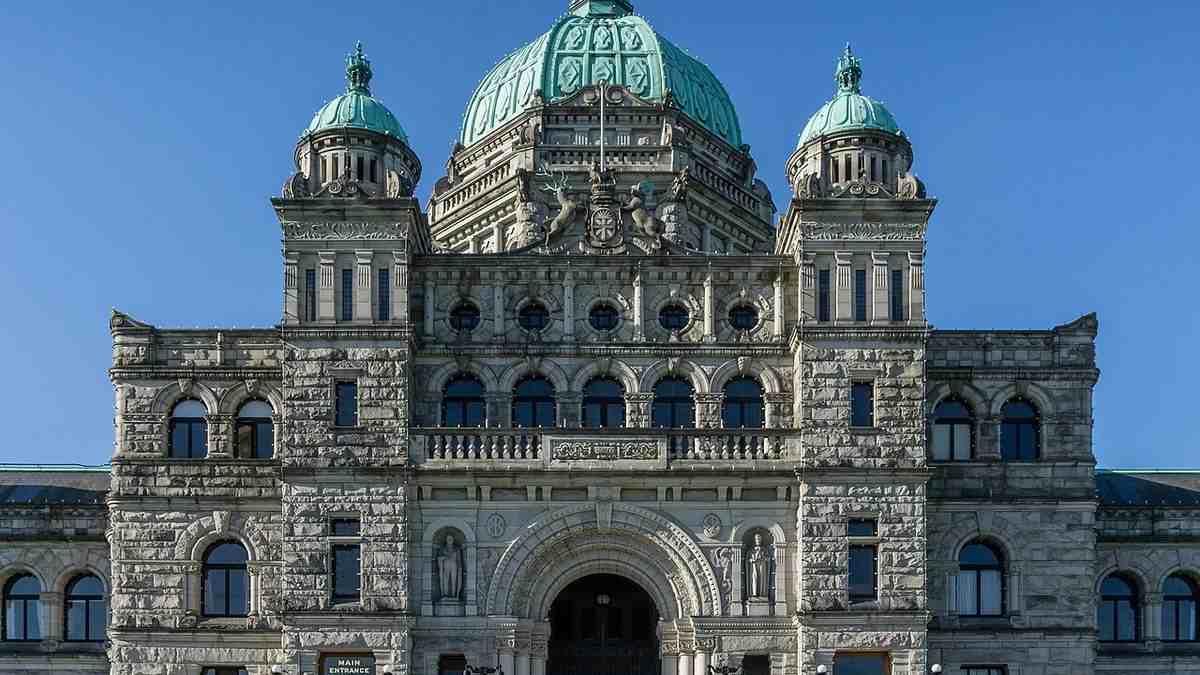
Photo: Wikimedia Commons (CC BY-SA 4.0)
Latest BC Election Polls: Conservatives Ahead in Every Survey
The trend is unmistakable. A Liaison Strategies poll conducted October 7–8 found the BC Conservatives leading the NDP 43% to 37% among decided and leaning voters. Liaison's principal, David Valentin, noted the Conservatives have climbed from 36% to 43% in three weeks while the NDP slid from 41% to 37% — "a sequence becoming harder for the government to dismiss."
The other pollsters tell the same story:
An Ipsos poll for Global News (September 25–29) had the Conservatives at 42%, up seven points, and the NDP at 40%, down five — within the margin of error. An Angus Reid Institute survey (October 1–3) found the Conservatives ahead 48% to 43%, with half of respondents saying it's time for a change of government. Mainstreet Research (released October 6) reported Conservatives 44.7%, NDP 37.2%. Even the firm most favourable to the NDP, Innovative Research, had the race essentially tied.
According to The Writ's BC election tracker, updated October 9, the Conservatives now lead the projection by roughly three points and 13 seats, giving them a cushion for a majority government — the outcome in 72% of the model's simulations.
Why Eby Called a Snap Election — and Why It's Backfiring
David Eby called the early election on September 22, arguing his party needed a majority mandate to confront U.S. tariffs and the threat posed by President Donald Trump. That message has landed flat. Angus Reid found the tariff/Trump issue wasn't among voters' top six concerns at the start of the campaign and has fallen further since.
What voters actually care about: the cost of living (named by 57%), health care (42%), the economy and jobs (26%), housing affordability (24%), and the deficit (24%). On these kitchen-table issues, the NDP is on the defensive. Liaison reports 54% of British Columbians say the province is heading in the wrong direction, and Eby's own approval has fallen to 34% with 48% disapproving.
Enjoyed this guide?
Canada Pulse is an independent publication. Every guide is researched, written and carefully edited, and kept free forever. If this saved you time or made your life easier, please don't let the effort go unnoticed — support our work with whatever you can, from $1 upward. Every dollar keeps the guides coming.
💛 Donate via PayPalThe NDP's warning — that a Conservative government would bring cuts and private health care — hasn't stopped the bleeding so far. Meanwhile, 59.3% of voters disapprove of the early election call itself, according to Mainstreet.
Lorne Doerkson: The Interim Leader Nobody Expected to Lead
The most extraordinary subplot of this campaign is on the Conservative side. The party has had four leaders in ten months. Kerry-Lynne Findlay resigned, and interim leader Lorne Doerkson — a former Cariboo-area MLA little known outside his region — took over just weeks before the writ dropped.
Remarkably, the chaos hasn't sunk the party. Doerkson moved quickly to reunify the fractured caucus, bringing several ousted MLAs back into the fold within a day. A splinter party, CentreBC — now the third-largest party in the legislature with eight MLAs under leader Peter Milobar — is bleeding votes but, according to The Writ's projections, unlikely to swing the outcome.
Doerkson himself remains a work in progress with voters: 30% view him favourably, 35% unfavourably, and 12% still don't know him. But he edges Eby as the preferred premier, 36% to 33%, according to Angus Reid — and in a change election, being the alternative is often enough.
Key Dates: Debate, Advance Voting, Election Day
The leaders' debate — Eby, Doerkson, and Green leader Emily Lowan, moderated by Shachi Kurl — airs Wednesday, October 14, from 6:15 to 8 p.m. PT. Advance voting runs October 16–21, and election day is Saturday, October 24. Canadian citizens 18 or older who have lived in B.C. since April 23 can vote.
Nominations closed October 3 with 335 candidates across 93 ridings. With 27% of voters undecided in the Ipsos poll and the NDP still competitive in Metro Vancouver and dominant on Vancouver Island, the final two weeks — starting with the debate — could still reshape this race.
What the BC Election Means Nationally
A Conservative win in B.C. would cap an extraordinary autumn for Canadian conservatism and complicate life for the Carney government in Ottawa — particularly on energy and pipeline politics, with the proposed Alberta-to-B.C. pipeline already a campaign issue.
For Eby, the stakes are personal: he gambled his majority on a snap election and is now fighting to survive it. For the rest of Canada watching from afar, October 24 will show whether the affordability-first mood reshaping B.C. politics is a local story — or the country's new normal.
Sources
- Liaison Strategies — Conservatives lead NDP 43% to 37%
- Choseno — BC Election 2026: Every Party's Platform So Far
- The Writ Drop — October 10, 2026
Enjoyed this guide?
Canada Pulse is an independent publication. Every guide is researched, written and carefully edited, and kept free forever. If this saved you time or made your life easier, please don't let the effort go unnoticed — support our work with whatever you can, from $1 upward. Every dollar keeps the guides coming.
💛 Donate via PayPal