Canada-EU Summit Opens in Montreal: Carney's 'Alliance for the Future' — Minus the Label That Started a Fight

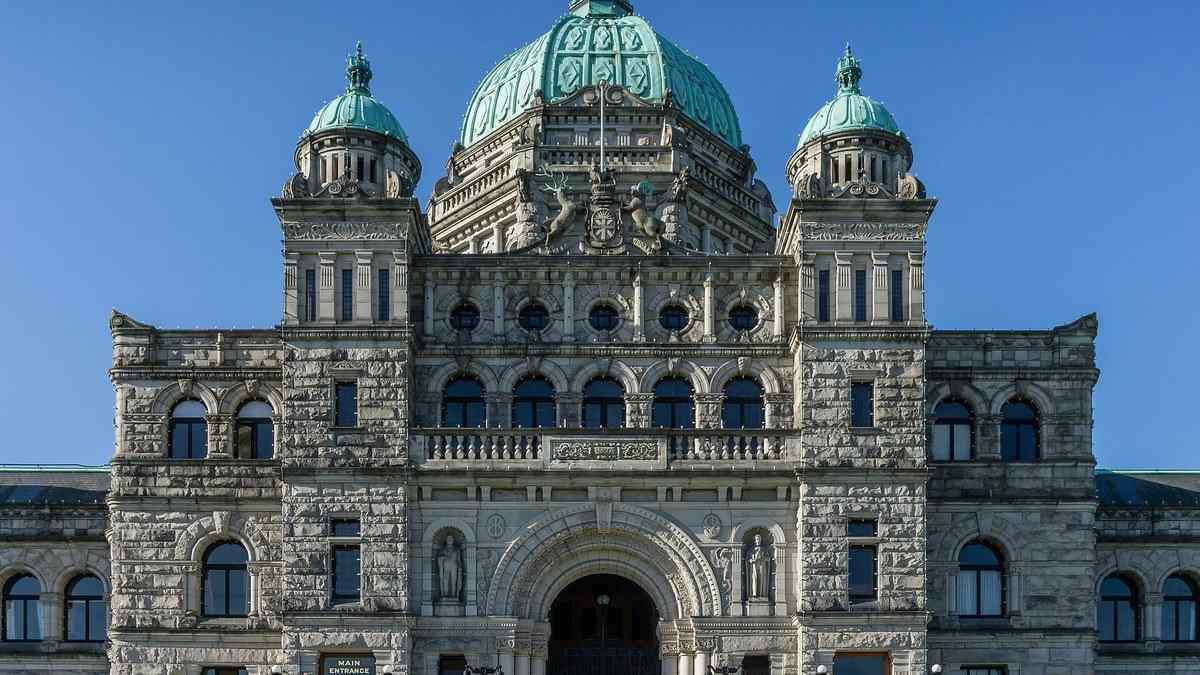
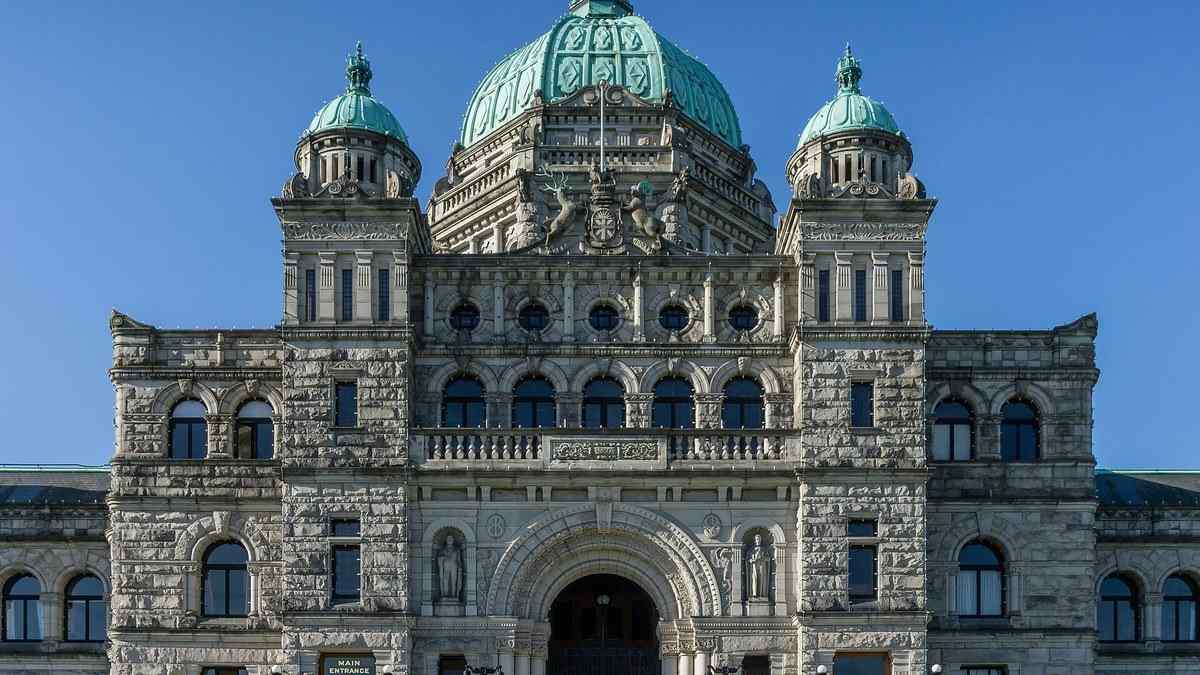
Photo: Stefan Fussan / Wikimedia Commons (CC BY-SA 3.0) — file photo of the Montreal skyline.
Montreal is hosting a meeting this week that could redraw how Canada earns its living. Prime Minister Mark Carney welcomes European Council President António Costa and European Commission President Ursula von der Leyen to the 21st Canada-European Union Summit on Thursday and Friday, October 29 and 30, as Ottawa openly looks for a second anchor beyond Washington.
The headline act is a framework the two sides plan to launch here: an “Alliance for the Future.” According to the European Council, it ties shared prosperity to economic security, with initiatives on people-to-people ties and deeper economic relations. Costa put it plainly: “Our bond is strong and it is growing stronger. In Montreal, we will take our partnership to the next level.”
The label that vanished before the leaders sat down
Here is where it gets interesting: the most talked-about phrase of the past six weeks will not be in the draft text. When von der Leyen used her State of the Union address in Strasbourg on September 16 to float making Canada an “associate member” of the EU, it lit up headlines from Ottawa to Berlin. It sounded historic. It also described a status that does not exist in any EU treaty.
Reuters reported on October 28 that a draft declaration seen by its reporters drops the phrase entirely. Instead it promises “an even closer association between Canada and the EU” and pushes the job of defining that relationship to next year’s summit. Germany, according to Reuters, led governments arguing they could not sign a concept with no legal standing that had never been fleshed out. Paris was displeased too, with a source close to the Élysée telling Le Monde that von der Leyen had not consulted member states first.
Carney has refused to get stuck on the wording. In Ottawa on October 27, he said the title matters much less than what an accord could actually open up for Canadians in Europe — commercial, educational and travel opportunities. Summits are judged by what changes for ordinary people, not by the poetry of their communiqués.
What is actually on the table
The published agenda is broad, and deliberately so: trade, digital policy, critical raw materials, defence and security, alongside education, research, innovation and youth. It is no longer just a trade deal with side agreements stapled on. It is an attempt to wire two economies together where the next decade will be decided — minerals for batteries and clean tech, chips and AI, and defence manufacturing.
There is already a foundation under it. The Comprehensive Economic and Trade Agreement, provisionally in force since September 2017, eliminated tariffs on 98 percent of tariff lines, according to the European Council. Trade in goods and services has grown by more than 80 percent over ten years, Agence Europe reported. Yet CETA still has not been fully ratified: nine EU capitals, including France, Italy and Poland, have yet to approve it, Le Monde reported.
Defence is where recent progress is most concrete. Last year’s summit launched a Security and Defence Partnership, and Canada has since become the only non-European country in SAFE, the EU’s €150-billion joint defence procurement instrument. An agreement concluded in 2026 lets Canadian firms take part in member states’ procurement under SAFE. Canada is also in talks to join Erasmus+, the EU’s student exchange program, the Canadian Press reported.
Enjoyed this guide?
Canada Pulse is an independent publication. Every guide is researched, written and carefully edited, and kept free forever. If this saved you time or made your life easier, please don't let the effort go unnoticed — support our work with whatever you can, from $1 upward. Every dollar keeps the guides coming.
💛 Donate via PayPalVideo: The Canadian Press — Carney on the Canada-EU Summit in Montreal (Oct. 27, 2026).
Why Carney is pushing, and why Washington is watching
None of this happens in a vacuum. Reuters was blunt about the motive: deeper ties to Europe are central to Carney’s strategy to reduce Canada’s heavy reliance on the United States since President Donald Trump imposed tariffs on Canadian imports. Carney said it himself at Davos in January: “Middle powers must act together because if we’re not at the table, we’re on the menu.” Reuters also noted the risk: drawing closer to the EU could anger Trump just as Canada-U.S. trade talks continue. A joint press conference follows on Friday at 12:15 p.m.
What to watch before Friday’s press conference
What would count as a real result on Friday? Dates, money and named programs behind the “Alliance for the Future” — or just a slogan. Specific minerals and defence deals Canadian firms can bid on. And anything on youth mobility a student in Halifax or Saskatoon could actually apply for.
My honest read: Montreal will probably produce a warm declaration and a work plan stretching into next year’s summit, and that is not nothing. The draft text already tells us the grand label was too fragile to survive contact with 27 governments. What survives — procurement access, minerals cooperation, the slow grind of CETA — is less glamorous and far more useful. Canada spent decades mostly looking south. This week it is formally looking east as well.
Sources
Prime Minister of Canada — Thursday, October 29, 2026 itinerary (Oct. 28, 2026)
Le Monde — Ahead of EU-Canada summit, European leaders clash over terminology (Oct. 28, 2026)
Enjoyed this guide?
Canada Pulse is an independent publication. Every guide is researched, written and carefully edited, and kept free forever. If this saved you time or made your life easier, please don't let the effort go unnoticed — support our work with whatever you can, from $1 upward. Every dollar keeps the guides coming.
💛 Donate via PayPal