Quebec Election 2026 Results: Parti Québécois Wins, Paul St-Pierre Plamondon Becomes Premier
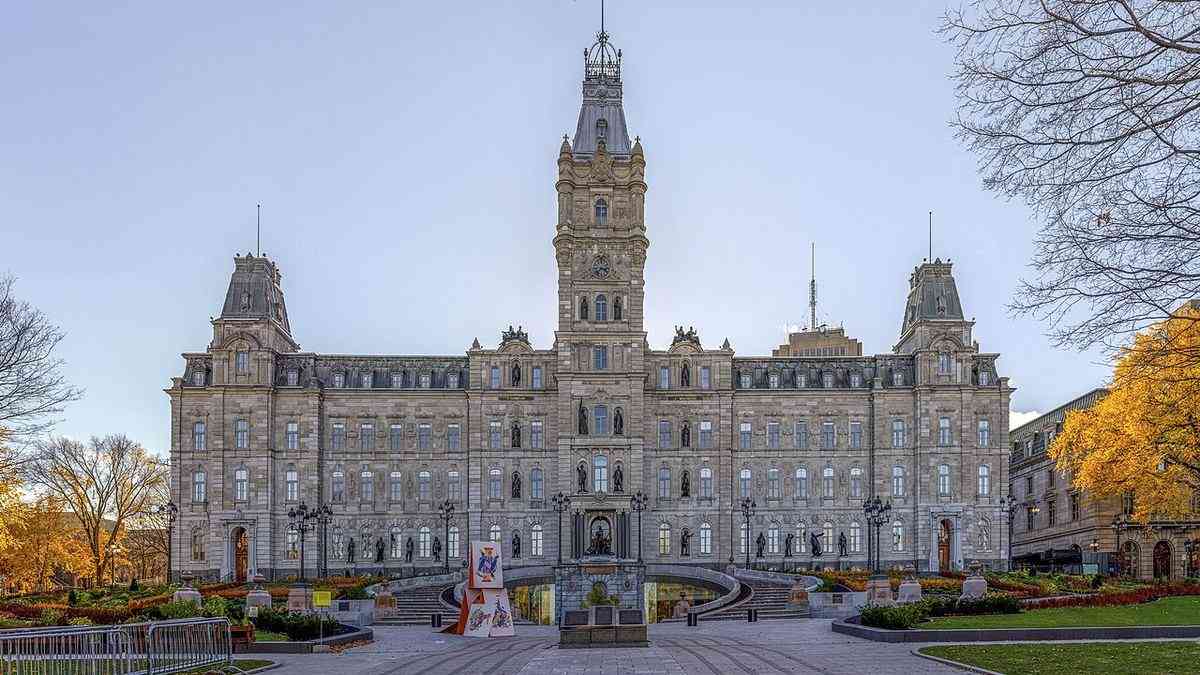
Quebec has a separatist premier for the first time in over a decade. On Monday, October 5, 2026, the Parti Québécois swept back to power, and its leader Paul St-Pierre Plamondon — known by his initials PSPP — will form a minority government, redrawing Canada's political map just as the country heads into the final stretch before Alberta's independence referendum.
It is the biggest shake-up in Quebec politics in a generation. Here's what happened, what the PQ plans to do, and why the result matters for every Canadian.
Photo: Wikimedia Commons (CC0)
Quebec Election Results: PQ Minority, But a Historic Comeback
The Parti Québécois won just under 30 per cent of the popular vote but took the most seats in the National Assembly, according to CBC's The Current — enough to form government, but short of a majority. It's a remarkable turnaround for a party that held only three seats after the 2022 election.
Channel News Asia, reporting from Montreal on election night, described a jubilant victory party where St-Pierre Plamondon, a 49-year-old lawyer from Trois-Rivières, invoked "the courageous struggle" francophones have endured in an increasingly English-dominated continent, telling supporters the struggle "will find meaning when (francophones) obtain their own country."
The result was driven less by a sudden surge of separatist fervour than by exhaustion with the status quo. As the South China Morning Post's analysis put it, the PQ's rise after more than a decade in opposition has been tied to frustration over affordability and an enduring desire to protect the French language in a majority-anglophone country.
Will There Be a Quebec Independence Referendum?
This is the question everyone in Ottawa is asking. St-Pierre Plamondon has been clear about the timeline: he promises not to hold a sovereignty referendum while Donald Trump is in office, arguing that a decision on Quebec's independence "requires conditions that allow for an informed and calm debate."
He has said a referendum would come after the U.S. president leaves office. Surveys suggest only about 30 per cent of Quebecers currently want independence — a figure that would need to move substantially before any vote could succeed.
On CBC's political panel At Issue, analysts noted that the PQ government will face a choice between issues where Quebec has legitimate concerns and situations where it is "merely picking a fight for tactical reasons," in the words of one commentator quoted by the broadcaster. One immediate flashpoint could be the monarchy: the PQ has signalled it wants to abolish the Crown from Quebec politics.
Enjoyed this guide?
Canada Pulse is an independent publication. Every guide is researched, written and carefully edited, and kept free forever. If this saved you time or made your life easier, please don't let the effort go unnoticed — support our work with whatever you can, from $1 upward. Every dollar keeps the guides coming.
💛 Donate via PayPalWhat the PQ Government Plans First
Speaking in Quebec City the day after the vote, the premier-designate laid out his incoming government's priorities. According to Radio-Canada's coverage of the October 6 press conference, St-Pierre Plamondon said one of his first measures would be to convene a major summit on homelessness and create a secretariat for government efficiency and regulatory streamlining.
He also announced a smaller cabinet, and — until the budget is balanced — a freeze on the salaries of elected officials and senior public servants. On affordability, he pledged to move quickly with the cost-of-living measures from the campaign.
Crucially, he said he had spoken with Prime Minister Mark Carney on election day about trade, the trade war with the United States, immigration, infrastructure, and homelessness — signalling that, at least initially, the relationship between Quebec City and Ottawa will be businesslike.
Carney's National Unity Test
The PQ win lands on Prime Minister Mark Carney's desk at the worst possible moment for national unity. Carney congratulated St-Pierre Plamondon, saying "building a stronger Quebec is core to our mission of building a stronger Canada," according to the South China Morning Post.
Carney is reportedly popular in Quebec, and analysts quoted by CBC stressed the separatist win was not a repudiation of his government — it was driven by provincial dynamics around affordability and the French language. But the timing is brutal: with Alberta voting October 19 on whether to start a process toward a binding independence referendum, Ottawa now faces separatist pressure from two directions at once.
Intergovernmental Affairs Minister Dominic LeBlanc told CBC's Power & Politics that Quebecers "don't want governments to be hassling about some theoretical scenario in two or three years from now" — and that Ottawa and Quebec can collaborate on housing and homelessness in the meantime.
What Happens Next
The PQ minority will need to find votes in the National Assembly to pass anything, which gives opposition parties leverage — and gives the new premier an incentive to govern pragmatically rather than ideologically in the early months.
The deeper story is the referendum clock. A minority PQ government means the sovereignty question simmers rather than boils — but it won't go away. Quebec's francophone identity, the affordability crisis, and the trade war with the United States will all shape whether independence stays a distant promise or becomes the defining fight of the decade.
Sources
- SCMP — Separatists win Quebec election in fresh test for Carney
- CNA — Separatists win Quebec election in test for Canada PM
- CBC At Issue via europe says — Mark Carney faces the return of national unity politics
Enjoyed this guide?
Canada Pulse is an independent publication. Every guide is researched, written and carefully edited, and kept free forever. If this saved you time or made your life easier, please don't let the effort go unnoticed — support our work with whatever you can, from $1 upward. Every dollar keeps the guides coming.
💛 Donate via PayPal