Riyadh Under Fire Again: Saudi Arabia Shoots Down Three Houthi Missiles as Oil Pipeline Attacks Escalate
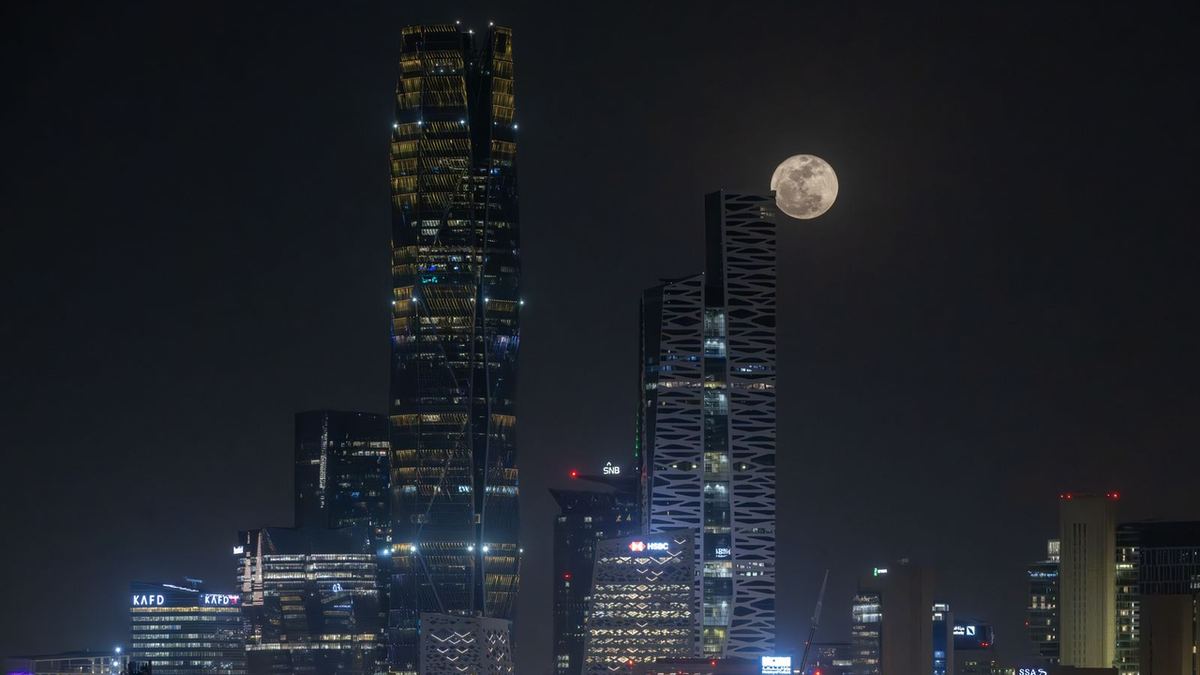
Before dawn on Tuesday, phones across Riyadh lit up with the same message: take shelter from an aerial threat. Within minutes, explosions rolled over the Saudi capital. By morning, the Saudi-led coalition said its air defences had shot down three Houthi missiles — a ballistic missile and a cruise missile aimed at Riyadh itself, and a second ballistic missile over the south of the kingdom. A drone over the Eastern Province was also destroyed, the coalition said.
Coalition spokesman Major General Turki al-Maliki announced the interceptions in posts on X, blaming Yemen’s Houthi movement — formally Ansarullah — for the launches. Residents had already heard the blasts for themselves: the AFP news agency reported multiple explosions in Riyadh, and the civil defence agency later told residents the danger had passed. Warnings had also gone out for the south-western cities of Abha and Khamis Mushait before being lifted. No casualties were reported. The Houthis did not immediately comment.
It was the second attack on the capital in three days, and the pattern is now hard to miss. On Sunday night, November 8, Saudi defences intercepted four missiles over Riyadh; falling debris damaged the Aramco Tower in the King Abdullah Financial District. Days earlier, on November 5, a ballistic missile fired towards the Medina region was intercepted minutes after a danger alert went out for the Red Sea port of Yanbu. The tempo has stepped up sharply in the space of a week.
The pipeline at the centre of it
Hours before Tuesday’s salvo, the kingdom’s strategically vital East-West oil pipeline was attacked again. A Saudi Energy Ministry official told the state news agency SPA that the strike, in the Medina region on Monday, caused a limited fire that was quickly extinguished, with no injuries and pipeline operations unaffected. Notably, the Saudis did not name whoever was behind the pipeline attack — the blame for the missiles was pinned on the Houthis, but the pipeline strike went unattributed in the official account.
The pipeline matters more than it did a month ago. It carries crude across the kingdom to Yanbu on the Red Sea for export, and it has become a crucial alternative route since Iran restricted shipping through the Strait of Hormuz during its war with the United States and Israel. Every attack on it is, in effect, an attack on Saudi Arabia’s workaround for a blocked strait — which is why the limited fire on Monday, however small, drew a swift and public response.
Enjoyed this guide?
Canada Pulse is an independent publication. Every guide is researched, written and carefully edited, and kept free forever. If this saved you time or made your life easier, please don't let the effort go unnoticed — support our work with whatever you can, from $1 upward. Every dollar keeps the guides coming.
💛 Donate via PayPalA war that has widened again
The coalition answered the missile launches with strikes of its own. On Monday, it said it had hit Houthi facilities in the Yemeni capital, Sanaa. The two sides have been trading blows with growing intensity since the Houthis advanced in September towards the Bab el-Mandeb Strait, the narrow chokepoint at the mouth of the Red Sea. The coalition is backing a Yemeni government offensive with air strikes; the Houthis, in turn, have repeatedly struck Saudi military sites and energy facilities with drones and missiles.
That is the arc to watch. The October attacks — a drone strike on the Shaybah oil facility that killed two people, and the suspension of flights after attacks near Dammam — already showed the Houthis reaching deep into Saudi territory. The last three days have taken it further: four missiles over the capital on Sunday, a pipeline fire on Monday, three more missiles and a drone on Tuesday. Each round has been intercepted or absorbed. But each round has also been bigger than the last.
For now, the immediate danger has passed and Riyadh is back to work. The open questions are whether the Houthis claim Tuesday’s launches — they stayed silent through the morning — and whether the coalition’s Sanaa strikes mark the start of a heavier response. The Red Sea shipping lanes, the oil price and the American diplomats trying to close out the region’s wars all have a stake in the answer.
Sources
- The Insight International: Saudi air defenses intercept Houthi missiles fired at Riyadh
- The Chronicle: Saudi-led coalition intercepts three Houthi missiles targeting Saudi Arabia
- Silent Dossier: Riyadh Missile Attack Today: 3 Houthi Missiles Intercepted
- Al Jazeera: Saudi Arabia downs missiles fired at Riyadh after Houthi attack on pipeline
Photo: Wikimedia Commons (CC BY-SA 4.0) — King Abdullah Financial District, Riyadh, 2026.
Enjoyed this guide?
Canada Pulse is an independent publication. Every guide is researched, written and carefully edited, and kept free forever. If this saved you time or made your life easier, please don't let the effort go unnoticed — support our work with whatever you can, from $1 upward. Every dollar keeps the guides coming.
💛 Donate via PayPal