Trump's Canada Tariff Shuffle: 22 Products Exempt From 50% Duties, 100 New Ones Added — Four Days Before Midterms
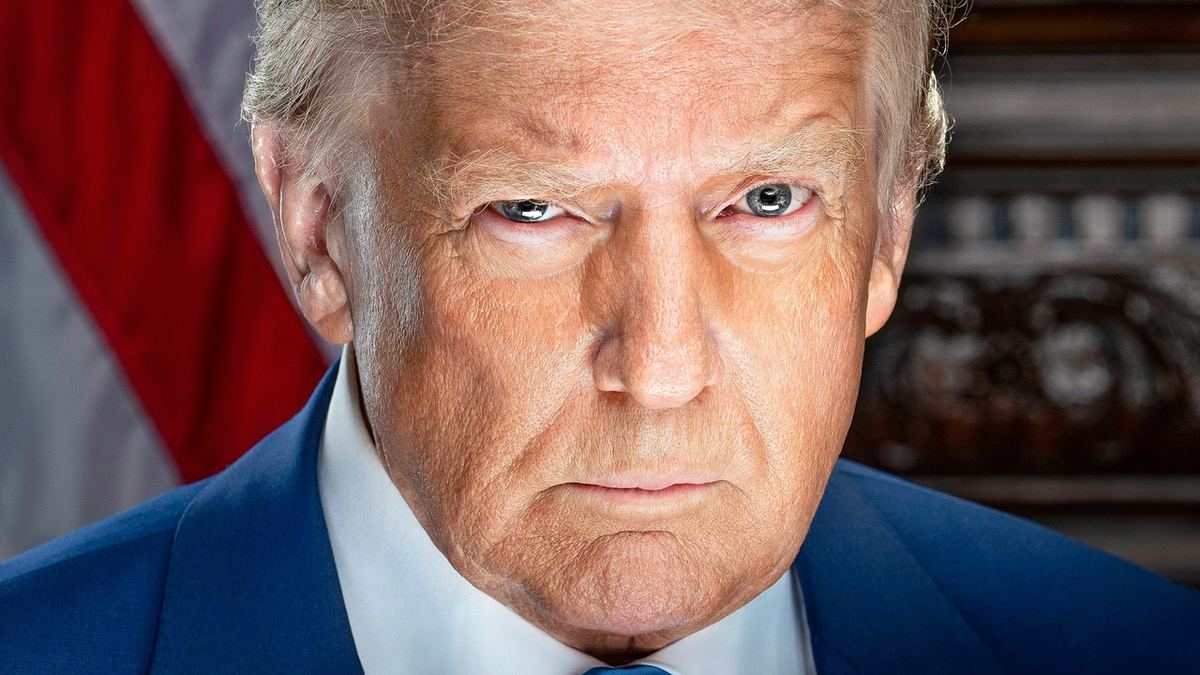
Photo: Daniel Torok / The White House, Wikimedia Commons, Public domain (file photo).
On Friday afternoon, with eleven days to go before the U.S. midterms, Donald Trump reached for a tariff tool no president has ever used before — and rewrote Canada's bill again. Twenty-two Canadian products are coming off the 50% duty list. Roughly 100 new ones are going on. The switch takes effect October 30, four days before voters go to the polls.
If the timing looks political, that's because it is.
What Trump actually signed
The White House proclamation amends Proclamation 11048 — the order that imposed the 50% duties under Section 338 of the Tariff Act of 1930, a provision written during the Smoot-Hawley era that no president had invoked until Trump deployed it against Canada in August, after trade talks collapsed. Friday's revision carves out what the White House calls nine categories: plywood sheets, certain paper products, corrugated cartons and packing crates, plastic crates and boxes, agricultural and refrigeration machinery, packing and sealing equipment, and fresh and dried seaweed. On the other side of the ledger, about 100 new products get hit with the 50% rate: carpets, paints, shampoos, cocoa powder, wooden coffins, ice cream sticks, air-conditioning machines, chest freezers, archery equipment — and canoes. The duties apply on top of existing Section 232 tariffs and, per KPMG's tax analysis, apply regardless of whether goods qualify under the USMCA.
Read the numbers like a campaign manager would: the total dollar value of Canadian exports facing the 50% rate stays at roughly $20 billion. Nobody's overall bill got smaller. The pain just moved.
The Collins connection
Maine Republican Senator Susan Collins has spent the autumn begging the White House for exactly this. Her Senate race against Democrat Troy Jackson is one of the closest in the country, and Canadian tariffs keep detonating underneath her. When the administration previously exempted road salt and cement — goods Maine municipalities actually buy — Jackson mocked it in their October 6 debate: Mainers, he said, "can't eat road salt."
Enjoyed this guide?
Canada Pulse is an independent publication. Every guide is researched, written and carefully edited, and kept free forever. If this saved you time or made your life easier, please don't let the effort go unnoticed — support our work with whatever you can, from $1 upward. Every dollar keeps the guides coming.
💛 Donate via PayPalThis round is tailored to Maine's economy with a scalpel: blueberry, potato, apple and seaweed producers who buy specialized Canadian packaging and machinery that U.S. suppliers can't readily replace. Collins announced the win herself on X Friday, saying she was "pleased to have secured additional tariff exemptions" for products crucial to Maine agriculture, citing her repeated conversations with Ambassador Jamieson Greer, Commerce Secretary Howard Lutnick, and other senior officials — and vowing to keep pushing "directly with Administration officials" for a broader trade agreement with Canada.
Collins isn't the only Republican getting rescued. In Michigan, Senate nominee Mike Rogers now runs ads demanding an end to the Canada trade war after months of backing it; in New Hampshire, John Sununu has broken with the president over the tariffs in his race against Chris Pappas. The White House calls this public interest. Everyone else calls it November 3.
Carney's ice-cold answer
Ottawa isn't chasing a quick deal. Trump told reporters Friday that "Canada is working very hard to make a deal with us, and I hate to say this, but we have all the cards." Hours later, from Istanbul — where he was wrapping the first-ever bilateral visit by a Canadian leader to Turkey — Mark Carney said Canada was in no hurry and, for the first time, suggested Ottawa could simply wait Trump out: "We could sign it this afternoon if the US were there. If it has to be months from now or longer than that, or another administration, before a proper deal comes into place, we will do that."
That is about as blunt as a G7 leader gets. Canada walked away from talks in late August citing unreasonable U.S. demands, retaliated with its own tariffs, and has since treated tariff relief as a nice-to-have rather than a goal.
The legal wildcard nobody mentions
Meanwhile the entire Section 338 edifice is under legal attack. A New Jersey-based food importer filed a court challenge this week arguing the Trump administration is overstepping its authority by invoking a statute that sat dormant for nearly a century. If a court agrees, Friday's careful product-by-product calibration becomes trivia. If the administration wins, expect more Friday-afternoon proclamations — the tool is now proven.
Sources
- Reuters via Kitco News — "Trump ends tariffs on some Canadian products, aiming to help Senator Collins" (Oct. 23, 2026) — Full story
- Supply Chain Dive — "Trump tweaks Canada tariffs, removing certain goods while adding others" (Oct. 23, 2026) — Full story
- KPMG Tax News Flash — "United States further modifies Canadian products subject to 50% tariffs" (Oct. 23, 2026) — Full story
- RealAgriculture — "Trump set to remove tariffs on some Canadian goods in attempt to prop up Republican candidate" (Oct. 23, 2026) — Full story
Enjoyed this guide?
Canada Pulse is an independent publication. Every guide is researched, written and carefully edited, and kept free forever. If this saved you time or made your life easier, please don't let the effort go unnoticed — support our work with whatever you can, from $1 upward. Every dollar keeps the guides coming.
💛 Donate via PayPal