Canada's Military Has an Ammunition Problem: Auditor General Finds 'Significant Gaps' in War Stockpile
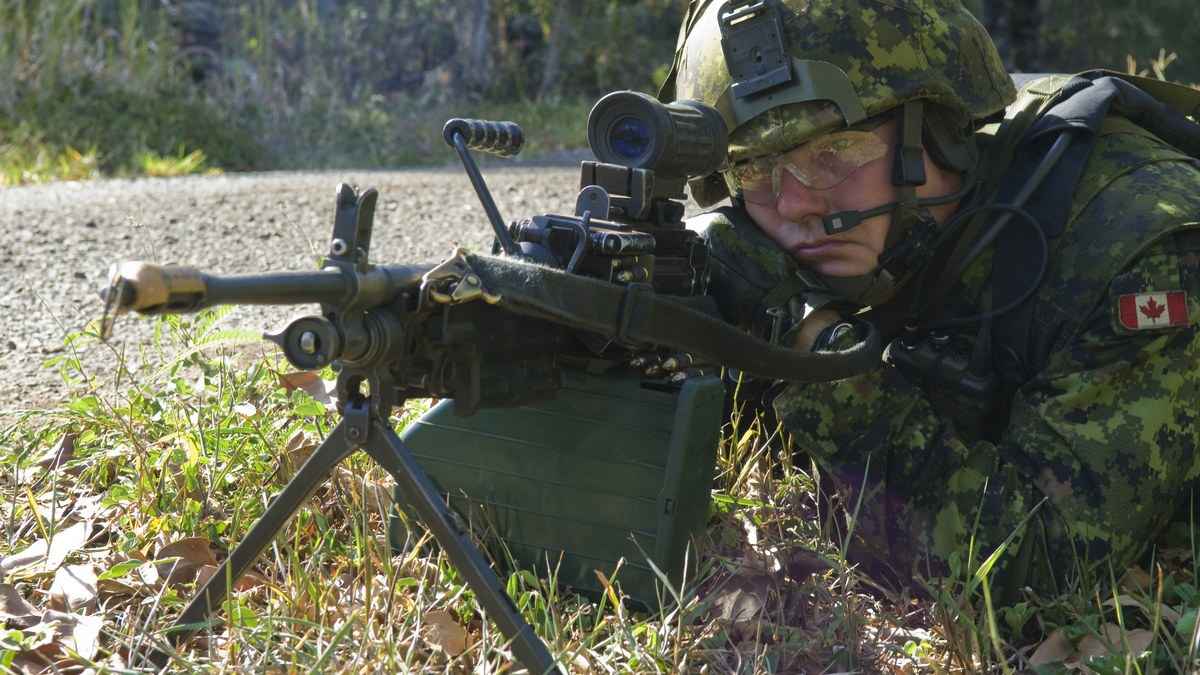
Photo: U.S. Navy photo by Mass Communication Specialist 1st Class Daniel N. Woods, via Wikimedia Commons (public domain). File photo: a Canadian soldier on exercise in 2008 — not a photo of the ammunition stockpile audited in this report.
Here is the question at the heart of Canada's defence debate this week: how can the military be short of the ammunition it would need in a real fight, and at the same time sit on piles of training rounds it never fires? Auditor General Karen Hogan's answer, tabled in the House of Commons on Thursday, is blunt. Ottawa has been guessing — about what it has, what it needs, and what it spends.
According to The Canadian Press, Hogan's audit of National Defence and Public Services and Procurement Canada found "significant gaps" between what Canada's strategic stockpile is supposed to hold and what is actually in it — gaps that will take years to close. As of March, National Defence itself rated the Armed Forces' readiness to meet NATO commitments as "well below target," with ammunition a factor. That is the department's own assessment, quoted back at it by its auditor.
Canada military training ammo: most rounds never fired
Start with the training side, because the numbers are almost funny until you think about what they cost. Over the past three years, only 56 per cent of the military's "regular use" ammunition — rounds bought for training and deployments — was actually used, according to the audit. Hogan's office blames two things: requests that were "overstated" in the first place, and planned activities, including training exercises, that got cancelled.
What struck Hogan most was what happened next: nothing, on paper. The department did not track why activities were limited or cancelled. "Sometimes it's because of equipment not being available. Other times it's because of weather conditions," she told reporters. "What we saw is that they weren't tracking why." A March internal analysis had noted tanks and ships were "often out of service" when needed — but that detail never fed into a system anyone could learn from.
The bookkeeping gets worse. The department does not centrally track ammunition spending, so it cannot give a dollar breakdown by type. Its inventory records are shaky on quantities and even expiry dates — a problem Hogan's office has flagged for over two decades. Some excess training rounds could be used in an emergency, she noted, but not all are lethal, so a training-shelf surplus does not fill a hole in the war stockpile.
Auditor General: strategic stockpile gaps will take years to fix
That war stockpile is where the audit bites hardest. It is the reserve Canada keeps for emergencies and combat, and Hogan found the gap between what it should hold and what it does hold is large enough that closing it will take several years, even though replenishment has started. Global News, reporting on the same audit, put it starkly: with the current gaps, Canada is far behind on its NATO collective-defence commitments.
Enjoyed this guide?
Canada Pulse is an independent publication. Every guide is researched, written and carefully edited, and kept free forever. If this saved you time or made your life easier, please don't let the effort go unnoticed — support our work with whatever you can, from $1 upward. Every dollar keeps the guides coming.
💛 Donate via PayPalBuying more is not a quick fix, because the buying itself is slow. The audit examined 15 ammunition contracts and found delivery took an average of almost 19 months after signing — and most of the material arrived late. That helps explain Ottawa's $9.5-billion, 20-year commitment in April 2024 to accelerate domestic production — $305 million for IMT Precision, over $1 billion for General Dynamics facilities — after Ukraine donations in 2022 exposed how fast stocks could run down.
What McGuinty and the Conservatives say about the audit
To the government's credit, it is not disputing the findings. Defence Minister David McGuinty said Thursday that "the entire auditor general report on ammunition tells us that we have progress to make, and we're making it." In a joint October 29 statement, ministers accepted all recommendations in the six reports tabled that day, listing fixes underway: better data, stronger governance, refined planning, better stockpile management, closer oversight of supplier delays.
The Conservatives are not buying the reassurance. MPs James Bezan, Jeff Kibble and Pierre Paul-Hus said the report "confirms a serious lack of action" on military readiness, adding: "This cannot be allowed to continue. The Liberals must act immediately to rectify the unacceptable state of Canada's ammunition stockpiles, both inventory and accounting." Both sides now have real numbers to argue with.
Why Canada's ammunition audit matters beyond the armoury
It is tempting to file this under boring bureaucracy. Do not. Ammunition is the basic test of whether a military can do what its government promises: train its people, show up for allies, and keep going if a crisis lasts weeks. Cancelled exercises cost soldiers practice; a short stockpile costs commanders options; and if nobody can say what is in the warehouse, Parliament cannot hold anyone to account.
The audit also lands as Ottawa calls domestic ammunition production a top-ten priority under this spring's defence industrial strategy. So watch the concrete stuff, not the next announcement: contract delivery times, and the next honest update on whether the stockpile gap is shrinking. Hogan has given the country a baseline, in numbers. The next report will show whether anyone acted — or whether a future auditor general will flag the same problem for a third decade running.
Sources
Note on video: no story-specific video from a reputable outlet could be verified for this report via YouTube oEmbed, so no video embed is included rather than an unverified one.
- The Canadian Press (Kyle Duggan) — "Canada military: DND overstocked on training ammo audit says" (30 Oct 2026)
- The Canadian Press — "Canada's auditor general just released nine reports — here are the highlights" (29 Oct 2026)
- Government of Canada — "Ministers respond to performance audit reports of the Auditor General of Canada" (29 Oct 2026)
Enjoyed this guide?
Canada Pulse is an independent publication. Every guide is researched, written and carefully edited, and kept free forever. If this saved you time or made your life easier, please don't let the effort go unnoticed — support our work with whatever you can, from $1 upward. Every dollar keeps the guides coming.
💛 Donate via PayPal