Macklem Warns of 'Significantly' Higher Inflation Outlook as Oil Surges — Oct 28 Rate Decision in Focus
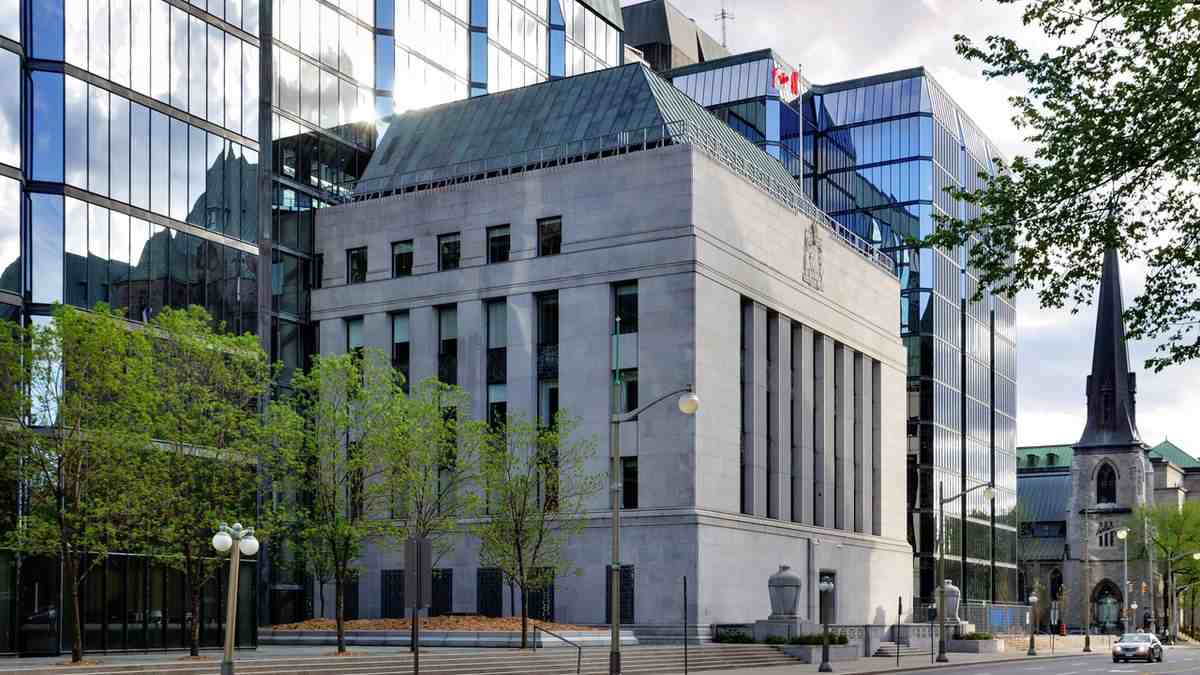
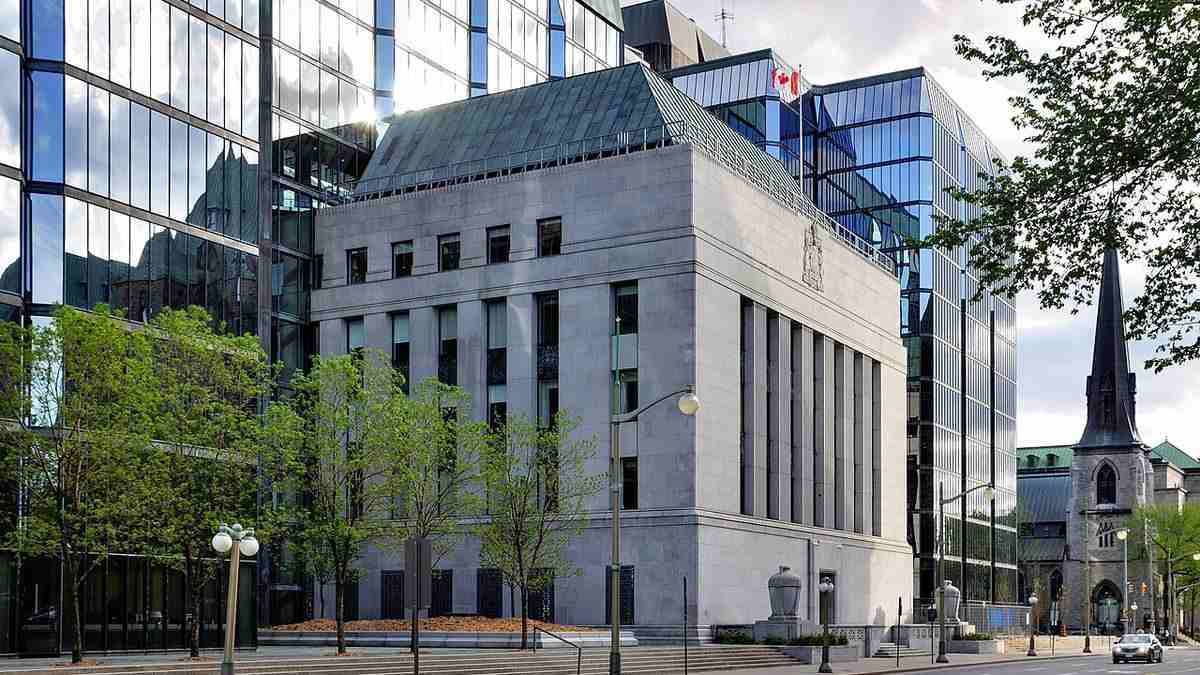
File photo: Bank of Canada headquarters, Ottawa (Wladyslaw / Wikimedia Commons, CC BY-SA 3.0).
From a conference call in Bangkok on Saturday, Tiff Macklem just told the world what Canadian borrowers did not want to hear: inflation is about to look worse, and the Bank of Canada is not ruling out doing something about it.
The Bank of Canada expects to raise its quarterly inflation forecast "significantly" this month, the governor said, blaming persistently high crude oil and petroleum product prices. The new forecasts feed directly into the Bank's rate decision on October 28 — ten days from now — and Macklem's language left the door to a hike visibly open.
What Macklem actually said
"With the [Middle East] conflict ongoing, shipments still curtailed and refinery capacity damage, the risk that inflation broadens and becomes more persistent has gone up," Macklem told journalists, according to Reuters. Brent crude crossed $110 a barrel on Friday for the first time since May — the Strait of Hormuz attacks, Houthi strikes on Saudi Arabia, and the Iran conflict have turned energy prices into the Bank's number-one headache.
Then came the line markets will chew on all week: "Our beacon is our 2% inflation target, and we are committed to keeping inflation close to target over time. We are prepared to adjust monetary policy as needed." And on the October 28 decision: "Is inflation likely to come back down towards our target on its own, or are we going to have to raise interest rates?"
That is not a governor telegraphing a hold. It is a governor telling you the debate inside the building is live.
The market math: no hike priced now, 100 basis points priced later
Here's where it gets interesting. As of Saturday, money markets were not pricing any change on October 28 — or at the Bank's final decision of the year in December. But they are pricing roughly 100 basis points of increases over the course of next year. Translation: traders don't think Macklem moves this month, but they think he's moving, and more than once, soon.
The September jobs shock — 68,300 jobs lost, unemployment at 6.5% — bought Macklem time, but not comfort. Monday brings the next clue: September CPI lands October 19 at 8:30 a.m.
Enjoyed this guide?
Canada Pulse is an independent publication. Every guide is researched, written and carefully edited, and kept free forever. If this saved you time or made your life easier, please don't let the effort go unnoticed — support our work with whatever you can, from $1 upward. Every dollar keeps the guides coming.
💛 Donate via PayPalWhat Bay Street actually expects
The economist calls are split in a way that tells you how genuinely uncertain this is. Randall Bartlett, deputy chief economist at Desjardins, told BNN that rising long-term bond yields are effectively doing some of the Bank's tightening work for it — giving Macklem "a bit of wiggle room" to stay patient. Stephen Brown, chief North America economist at Capital Economics, told BNN the Bank will "inevitably upgrade its inflation forecasts" for elevated oil prices, with its own surveys likely showing weaker confidence and rising short-term inflation expectations. His base case: no hike in October, "though it will likely be a close call." Both expect the Bank to hold through 2026 and hike in the first quarter of 2027.
Not everyone is that patient. Scotiabank forecasts the policy rate rising to 2.50% by end of 2026; National Bank expects 2.25% through 2026, then 2.75% by end of 2027. The rough consensus: four of the six big banks expect a hold through year-end, Scotiabank alone firmly calls an October hike, and markets price roughly one-in-four odds for October against nearly 90% for December.
What it means for your mortgage
This is the part that lands in your mailbox. The policy rate sits at 2.25%; the prime rate at the Big Six banks has sat at 4.45% since October 2025. On a variable-rate mortgage or HELOC, a quarter-point hike means roughly $15 to $20 more per month for every $100,000 you owe.
But here's the twist most borrowers miss: fixed mortgage rates don't track the policy rate — they track bond yields, which have already been climbing on global debt worries and rate-hike expectations. Five-year fixed rates run roughly 4.50% to 5.20%, variables 3.40% to 4.15%, with CIBC already lifting some variable rates by 10 basis points on October 9. Canadians renewing mortgages are already paying for a tightening the Bank never voted for. As Bartlett put it to BNN, the bond market is doing the tightening either way.
What to watch this week
Monday's CPI report is the main event. Then October 28 brings the decision, the quarterly Monetary Policy Report, the debut of the Bank's new "Prima" forecasting model, and a Macklem press conference — with the U.S. Federal Reserve announcing its own decision the same afternoon.
The honest summary: Macklem just warned that the inflation picture is deteriorating, oil is doing the deteriorating, and the Bank is openly asking whether rates must rise. Whether the answer comes October 28, December 9, or next year, the direction of travel just got clearer — and it's up.
Editor's note: No video of Macklem's Saturday remarks from a reputable outlet was available at publication time, so none is embedded — the official sources below carry the confirmed details instead.
Sources
- Reuters — "Bank of Canada sees sharply higher inflation outlook as oil surges, Macklem says" (Oct 17, 2026) — reuters.com
- Money.ca — "BoC rate hike odds surge for October" (Oct 2026; cites BNN interviews with Desjardins' Randall Bartlett and Capital Economics' Stephen Brown) — money.ca
- Immigration News Canada — "Canada Mortgage Rates Increase In October 2026" (Oct 2026) — immigrationnewscanada.ca
Enjoyed this guide?
Canada Pulse is an independent publication. Every guide is researched, written and carefully edited, and kept free forever. If this saved you time or made your life easier, please don't let the effort go unnoticed — support our work with whatever you can, from $1 upward. Every dollar keeps the guides coming.
💛 Donate via PayPal