Canada Clocks Change November 1, 2026: Daylight Saving Time Ends — But BC, Alberta and Manitoba Won't Fall Back
Set your alarms, check your wall clocks, and brace yourself: at 2 a.m. on Sunday, November 1, most of Canada turns its clocks back an hour and daylight saving time comes to an end. But 2026 is not like the other years. For the first time in the country's history, the November change is a patchwork — three big provinces and parts of Ontario and the territories will simply not move a clock at all.
The rule for most Canadians is still the familiar one: on November 1, 2026, clocks fall back from 2:00 a.m. to 1:00 a.m. local time, per timeanddate.com. You gain an hour of sleep, and evenings go dark before dinner. But the map of who actually does it has been redrawn over the past year, and it is worth knowing exactly which side of the line you are on before that Monday morning meeting.
Who still falls back on November 1
Most of Ontario, Quebec and Atlantic Canada are still on the old system. That means Toronto, Montreal, Ottawa, Quebec City, Halifax, St. John's — all fall back on November 1 and spring forward again on March 14, 2027, according to the Old Farmer's Almanac.
Ontario added its own wrinkle this month. On October 13, the province announced that Kenora and communities west of the 90th meridian — northwestern Ontario's Central Time zone — will stay on daylight time year-round, aligned with Manitoba. "Providing certainty and predictability is essential to supporting strong communities and a competitive economy," Attorney General Doug Downey said, per HRD Canada. Everyone east of that line, including Thunder Bay, still falls back.
The provinces sitting this one out
Here is the new map, and it is genuinely historic:
British Columbia moved to permanent daylight saving time after its final clock change in March 2026. Its new zone is called Pacific Time (PCT), money.ca reports — Vancouver now sits one hour ahead of Seattle and two hours behind Toronto through the winter.
Alberta passed legislation in May 2026 creating "Alberta Time" (ABT), equivalent to Mountain Daylight Time. The switch takes effect November 1: the province will not roll its clocks back and ends the spring-fall dance for good. One consequence money.ca flags: Alberta will be two hours behind Toronto in summer and only one hour behind in winter.
Manitoba joined on September 17, 2026. A provincial survey drew nearly 72,000 responses, with 92 per cent wanting an end to seasonal clock changes and 58 per cent preferring permanent daylight time. Premier Wab Kinew called it "good for our health, good for business and good for parents," and the Winnipeg Chamber of Commerce said it reduces friction for cross-border companies.
Enjoyed this guide?
Canada Pulse is an independent publication. Every guide is researched, written and carefully edited, and kept free forever. If this saved you time or made your life easier, please don't let the effort go unnoticed — support our work with whatever you can, from $1 upward. Every dollar keeps the guides coming.
💛 Donate via PayPalThe Northwest Territories adopted a similar permanent-daylight measure this year, CBC News reported, per HRD Canada.
Then there are the old hands: Saskatchewan has stayed on permanent standard time since 1966, and Yukon went to permanent daylight time back in 2020. They keep doing exactly what they have always done.
The new winter map of time gaps
The gaps between Canadian cities now shift with the seasons in ways they never used to. Vancouver and Toronto are two hours apart all winter. Calgary is one hour behind Toronto in winter, two in summer. Winnipeg shares winter time with Edmonton but not with Toronto. If you run a team across provinces, fly regularly, or have family on the other side of the country, double-check your recurring calls — as HRD Canada puts it, national employers now face "a redrawn map of Canadian time," with time gaps that move with the seasons.
South of the border, U.S. clocks also fall back November 1 — so Vancouver sits one hour ahead of Seattle through the winter.
How to handle the switch
The basics have not changed. Phones, computers and most smart devices update themselves — but ovens, car dashboards, microwaves and wall clocks usually do not. It is also the traditional twice-a-year moment to check smoke alarm and carbon monoxide detector batteries, a tip fire departments repeat every fall. Doctors' usual advice: keep your wake-up time steady, get morning light, and give your body about a week to adjust to the darker evenings.
Editor's note: I could not find an official video from a Canadian broadcaster on this year's patchwork change, so this article links to written sources only.
Sources
- HRD Canada: Permanent daylight time splits Canada's clocks for national employers
- The Canadian Wire: Daylight Saving Time ends November 1, 2026 — which provinces still change clocks
- timeanddate.com: USA and Canada end daylight saving 2026
- Money.ca: Canada's altered time — changes to the Nov. 1 clock change
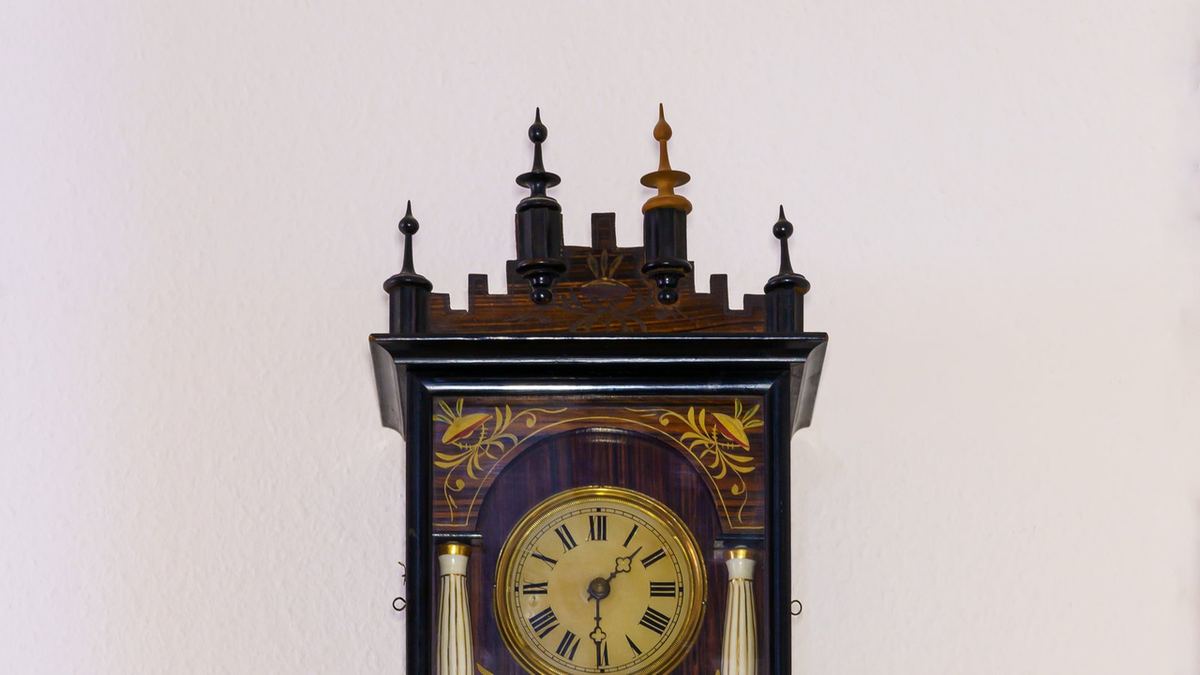
Photo: Wooden wall clock — Franz van Duns, CC BY-SA 4.0, via Wikimedia Commons.
Enjoyed this guide?
Canada Pulse is an independent publication. Every guide is researched, written and carefully edited, and kept free forever. If this saved you time or made your life easier, please don't let the effort go unnoticed — support our work with whatever you can, from $1 upward. Every dollar keeps the guides coming.
💛 Donate via PayPal