Same Work, Same Pay: Canada's New Federal Equal-Pay Rules Take Effect Today
Starting today, October 20, a part-timer at a bank in Toronto and a full-timer doing the same job have to be paid the same wage rate — as long as the work, the skill, and the conditions line up. That's the practical effect of new equal-treatment provisions in the Canada Labour Code that come into force today, aimed squarely at the pay gap between full-time, part-time, and temporary workers.
The core rule, in new section 182.1 of the Code, is blunt: a federally regulated employer can't pay one employee a lower wage rate than another just because their employment status is different — if the two work in the same industrial establishment, do substantially the same kind of work, need substantially the same skill, effort and responsibility, and work under similar conditions.
Who's covered — and who's not
The catch: this only applies to federally regulated workplaces — banks, airlines and airports, telecom and cable companies, radio and TV broadcasters, postal and courier services, interprovincial trucking and rail, marine shipping, oil and gas pipelines, grain elevators, uranium mining, and most federal Crown corporations like Canada Post. More than 90% of Canadian workers fall under provincial jurisdiction and aren't touched by this.
There are also genuine exceptions. Employers can still justify pay differences through seniority systems, merit, quantity or quality of production, and prescribed factors like recruitment difficulties or geography. The same job title isn't enough — the law looks at actual duties, not the label on the badge.
The temp-agency rule, and your right to ask
A second provision targets temp agencies: a federally regulated temporary help agency can't pay its employee less than the rate its client pays a comparable employee. And agencies can no longer charge workers certain banned fees. As Lauri Reesor, a Toronto labour lawyer, told the HR Professionals Association: the goal is that ‘employees doing substantially the same work are compensated equitably regardless of employment status.’
Crucially, workers get a new tool. Section 182.2 lets an employee request a formal review of their wage rate — and the employer must respond in writing within 90 days. Retaliation for asking is prohibited. That's a real, usable right, not just a policy line.
Enjoyed this guide?
Canada Pulse is an independent publication. Every guide is researched, written and carefully edited, and kept free forever. If this saved you time or made your life easier, please don't let the effort go unnoticed — support our work with whatever you can, from $1 upward. Every dollar keeps the guides coming.
💛 Donate via PayPalOne thing this isn't: pay-equity legislation. The federal Pay Equity Act targets gender-based gaps for work of equal value; this targets status-based gaps for the same work. But the combination means federally regulated employers have a busy compliance season ahead — and workers in banking, telecom, transport and broadcasting finally have the paperwork to back a simple question: why am I paid less for the same job?
What to do if this affects you
First, check your jurisdiction. Federal minimum wage currently sits at $18.15 an hour, but most workers answer to provincial rules — Ontario, Quebec, B.C. and the rest all run their own systems, and this federal change doesn’t cross those borders. If your employer is a bank, airline, telecom, broadcaster, railway, pipeline or Crown corporation, you’re likely in.
Second, know how comparisons actually work. Mondaq’s legal analysis notes employers must compare wage rates calculated the same way — hourly to hourly, not hourly to salary — and must assess real duties, not job titles. A ‘customer service associate’ and a ‘client experience specialist’ doing the same shifts in the same call centre count as the same work.
Third, the review request is the enforcement engine. Put it in writing, cite section 182.1, and ask for the comparison. Your employer has 90 days to answer — in writing. And if you’re an employer in a federally regulated sector, HR pros are already urging audits: Clark Wilson LLP told clients to review wage rates before the provisions took effect, and Reesor advised employers to revisit their pay-equity plans too, since the ripples go beyond the Code itself.
Editor's note: we could not find a current video from a mainstream news outlet on this regulatory development — full written reporting is linked below.
Sources
- Mondaq — Equal pay obligations under the Canada Labour Code take effect October 20, 2026
- HRPA — What HR leaders need to know about upcoming changes
- Clark Wilson LLP — Equal treatment wage provisions to come into force
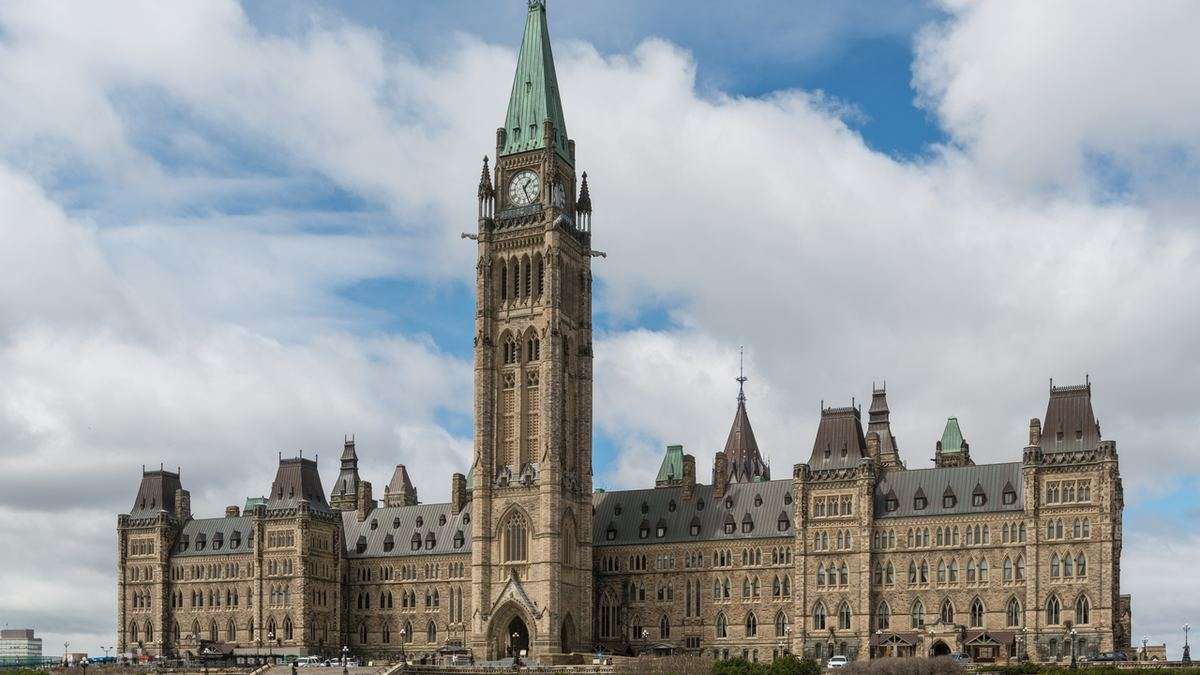
Photo: Centre Block on Parliament Hill, Ottawa — DXR / Wikimedia Commons (CC BY-SA 4.0).
Enjoyed this guide?
Canada Pulse is an independent publication. Every guide is researched, written and carefully edited, and kept free forever. If this saved you time or made your life easier, please don't let the effort go unnoticed — support our work with whatever you can, from $1 upward. Every dollar keeps the guides coming.
💛 Donate via PayPal