Canada Inflation Hits 3.1% in September as Gas Prices Soar 27.8% — Bank of Canada Decision Looms
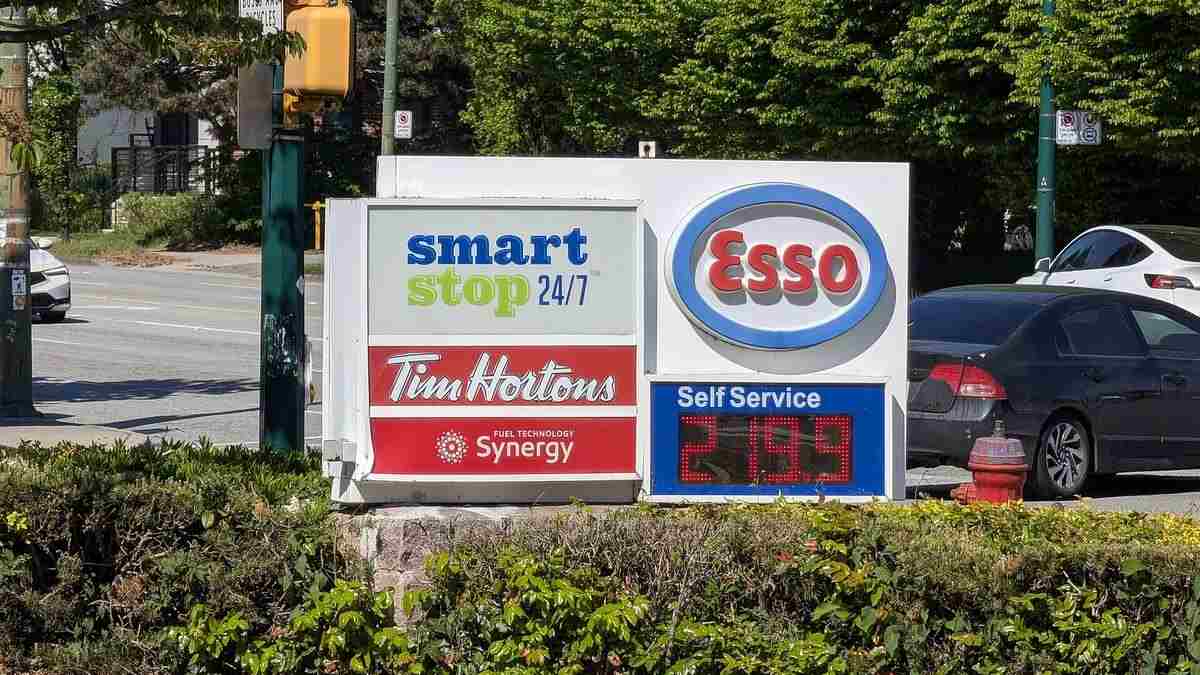
The price on the pump doesn't lie, and lately it's been screaming. If you've filled up your car anywhere in Canada this month, you already knew this was coming: Statistics Canada confirmed Monday that inflation jumped to 3.1 per cent in September — the highest reading since May and, once again, above the top of the Bank of Canada's comfort zone.
The headline number overshot the August reading of 3.0 per cent, though it landed a hair below what Bay Street was bracing for. Economists polled by Reuters had expected 3.2 per cent, according to Reuters reporting on the release. But beneath that small silver lining is a story Canadians are living every time they drive past a gas station: gasoline prices are up 27.8 per cent from a year ago, the single biggest driver of the September increase.
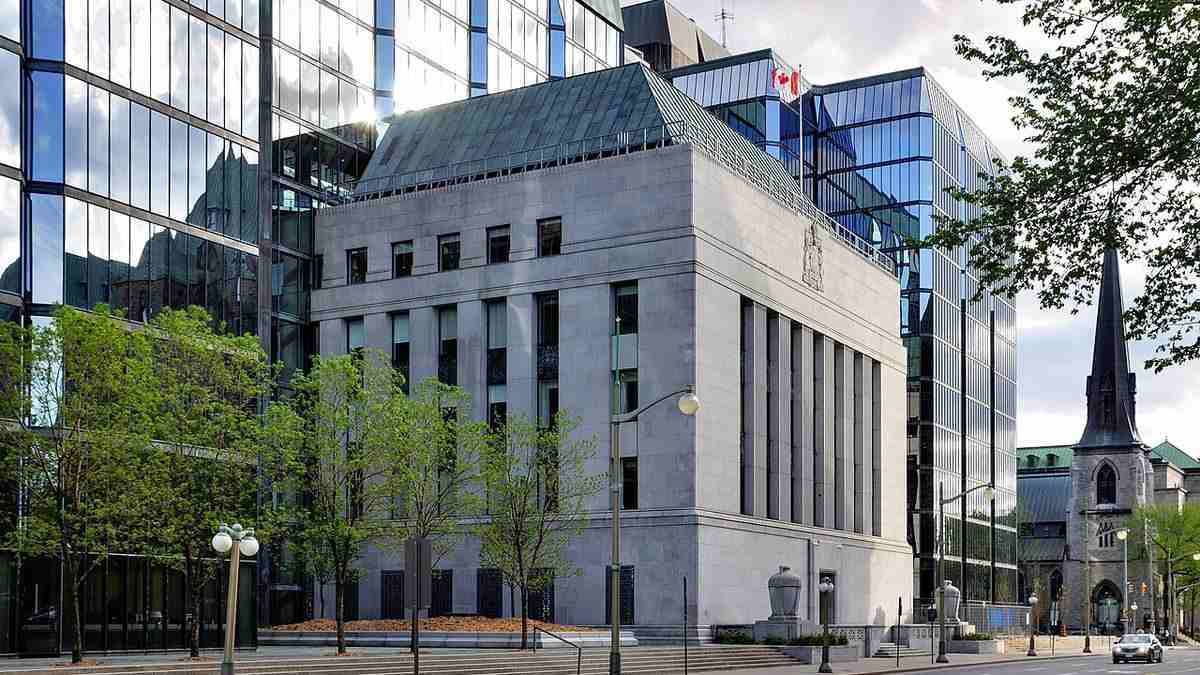
This is the last inflation reading the Bank of Canada will see before its next interest-rate decision on October 28 — and that's where the suspense starts.
Canada inflation September 2026: gas prices do the heavy lifting
Energy prices overall climbed 19 per cent year over year, accelerating from 15.4 per cent in August. That spike in crude oil prices — tied to the Middle East conflict tightening restrictions on oil and fuel tankers moving through the Persian Gulf — has flowed straight through to Canadian pumps.
Strip gasoline out and the story looks calmer: the consumer price index excluding gasoline rose 2.2 per cent in September, down from 2.4 per cent the month before.
The details offer real relief in a couple of corners. Grocery prices — the category that defined the affordability crisis for two years running — rose just 1.7 per cent year over year, the smallest annual increase since May 2024. Shelter costs, however, went the other way: up 1.8 per cent annually after a 1.5 per cent rise in August, with rents alone climbing 2.8 per cent.
What the Bank of Canada sees in the core measures
Here's the part that actually decides what happens to your mortgage. The Bank of Canada's preferred core measures — CPI-trim and CPI-median, which filter out the most volatile items — stayed below the 2 per cent target. CPI-trim came in at 1.8 per cent, CPI-median at 1.9 per cent. The trimmed mean and weighted median averaged 1.85 per cent, the slowest pace in six years, according to Dow Jones Newswires reporting carried by Morningstar.
Enjoyed this guide?
Canada Pulse is an independent publication. Every guide is researched, written and carefully edited, and kept free forever. If this saved you time or made your life easier, please don't let the effort go unnoticed — support our work with whatever you can, from $1 upward. Every dollar keeps the guides coming.
💛 Donate via PayPalTranslation: the inflation that's biting Canadians right now is concentrated in the one commodity everyone notices at the pump. The share of the consumer basket running hotter than 3 per cent narrowed to 29.2 per cent in September from 37.9 per cent in August. Prices aren't broadening the way they did in 2022.
That's exactly why the Bank of Canada has left its policy rate unchanged seven straight times, currently sitting at 2.25 per cent. Governor Tiff Macklem has been willing to look through gasoline-driven inflation — but not without unease. At a conference in Bangkok last week, Macklem said he was worried energy prices could keep rising and eventually infect prices more broadly. It's a worry every major central bank is sharing right now.
Bank of Canada rate decision October 28: what to expect
Money markets are now betting the Bank of Canada will hold its rate at 2.25 per cent on October 28, though they're pricing in a possible 25-basis-point hike by December. The calculus: the economy is showing signs of picking up despite fresh stress in the Canada-U.S. trade relationship, and the central bank is set to release new economic forecasts alongside the decision. Macklem has already flagged those forecasts will show higher inflation ahead.
If the gasoline shock stays contained at the pump, the central bank can afford to wait. If fuel starts pushing everything else up, the December hike stops looking optional.
Either way, this morning's number makes one thing clear: the cost-of-living fight Canada has been waging for four years isn't finished. It's just moved from the grocery aisle to the gas station.
Editor's note: we couldn't find a suitable video embed from a reputable outlet for this breaking story at publication time — check the sources below for the full original reporting.
Sources
- Morningstar / Dow Jones Newswires — "Canada Inflation Heats Up in September With Jump in Gas Prices" by Robb M. Stewart (Oct 19, 2026) — morningstar.com
- Trading Economics — "Canada Inflation Rises Less than Expected" (Oct 19, 2026) — tradingeconomics.com
- Statistics Canada — Consumer Price Index, September 2026 (released Oct 19, 2026) — figures cited via the above outlets
Enjoyed this guide?
Canada Pulse is an independent publication. Every guide is researched, written and carefully edited, and kept free forever. If this saved you time or made your life easier, please don't let the effort go unnoticed — support our work with whatever you can, from $1 upward. Every dollar keeps the guides coming.
💛 Donate via PayPal