Canada LMIA New Rules October 2026: Low-Wage Work Permit Freeze Now Hits 30 Cities
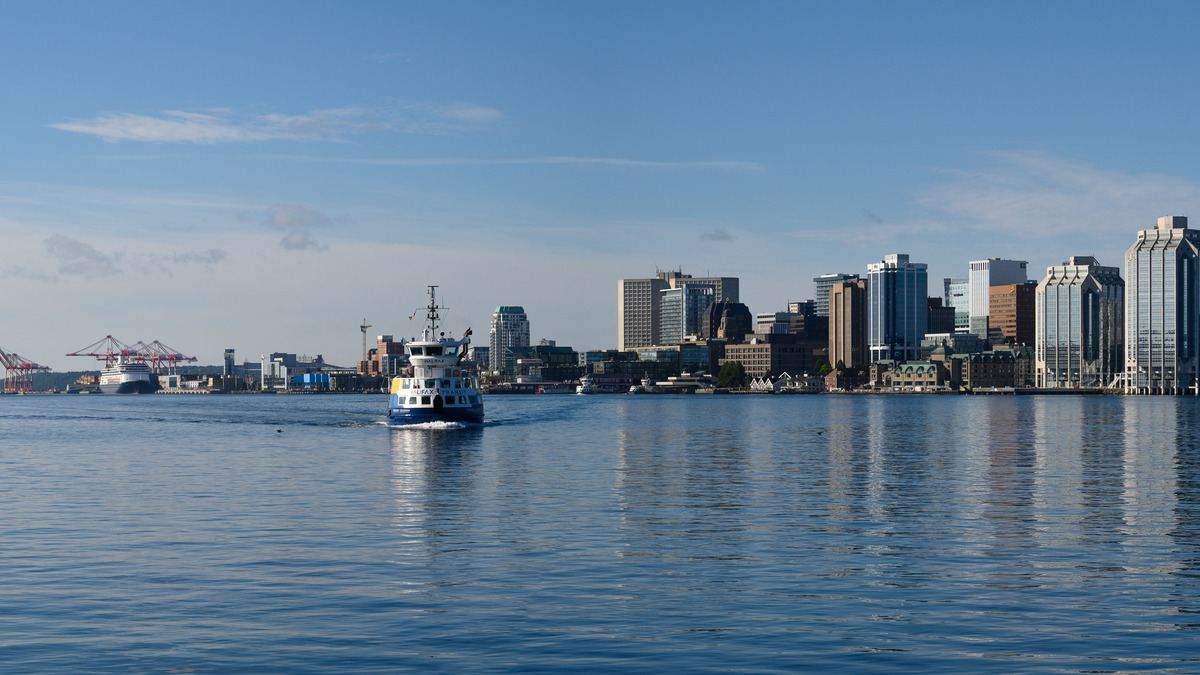
File photo: Halifax waterfront and downtown skyline. Photo: Gordon Leggett (GRDN711), CC BY-SA 4.0 via Wikimedia Commons. Halifax is one of six cities newly added to Canada's low-wage LMIA freeze.
If you're a foreign worker counting on an employer to sponsor you into Halifax, Regina, or Kingston this winter, I have bad news, and I'm going to give it to you straight: as of October 9, the federal government will not process your employer's low-wage LMIA application. Not "delay it." Not "review it harder." Refuse to process it — that's the government's own language.
Canada has now expanded its low-wage work permit freeze to 30 census metropolitan areas — up from 26 — after Employment and Social Development Canada (ESDC) updated its quarterly unemployment figures on October 9, 2026, according to CIC News and immigration.ca. The new rules run through January 7, 2027, and the next update drops January 8.
The six new cities: Canada LMIA new rules October 2026
Each quarter, ESDC looks at Statistics Canada's Labour Force Survey data and draws a line at 6% unemployment. Any metro area at or above that line gets shut out of low-wage LMIA processing. This round, six cities crossed the line:
Halifax (5.9% → 6.1%) and Fredericton (5.3% → 6.2%) put the Maritimes back in the freezer. Kingston (5.3% → 6.3%) and St. Catharines–Niagara (5.8% → 6.5%) keep Ontario's restricted list growing. Regina jumped from 5.9% to 6.7%. And Lethbridge landed at exactly 6.0% — which counts, because the rule bites at 6% or higher.
That last one stings: with Lethbridge added, every single Alberta census metro — Calgary, Edmonton, Red Deer, and now Lethbridge — is closed to low-wage LMIA applications, according to wildmountainimmigration's comparison of the July and October tables.
Two cities escaped: Kamloops and Chilliwack are open again
It wasn't all bad news. Kamloops fell from 7.0% to 3.6% unemployment — the sharpest single-quarter move on the entire table — and Chilliwack dropped from 7.9% to 5.6%. Both are back to normal processing. Small consolation, but real.
Enjoyed this guide?
Canada Pulse is an independent publication. Every guide is researched, written and carefully edited, and kept free forever. If this saved you time or made your life easier, please don't let the effort go unnoticed — support our work with whatever you can, from $1 upward. Every dollar keeps the guides coming.
💛 Donate via PayPalThe bigger picture is sobering: only 11 census metros now sit below 6%, down from 15 in July. Thunder Bay is now the only Ontario metro under the line. Toronto (7.5%), Vancouver (7.0%), Montreal (7.2%), Ottawa–Gatineau (7.9%) and London (9.1%) all remain restricted.
What the low-wage LMIA freeze actually blocks
Let's be precise, because the rumour mill on TikTok is not. This freeze only covers low-wage stream LMIA applications — jobs paying below 120% of the provincial or territorial median wage, in a restricted metro. It doesn't touch open work permits, it doesn't cancel permits you already hold, and the rules of the quarter apply to the date your application is filed — not retroactively.
And the exemption list is generous, deliberately so. Primary agriculture, construction, food manufacturing, hospitals, nursing and residential care facilities, and in-home caregivers all stay outside the freeze. Highly mobile jobs — concerts, carnivals, fairs — can request case-by-case exemptions.
Here's the part nobody should miss: this is happening in the same month Ottawa announced it is scrapping the LMIA requirement for qualifying high-wage Express Entry job offers from November 3. Canada's immigration door isn't closing — it's being rebuilt with two lanes. A faster, LMIA-free lane for high-wage skilled workers, and a narrower, unemployment-gated lane for low-wage temporary hires. That's not a contradiction. It's a strategy, and workers and employers on both sides need to read it for what it is.
What workers and employers should do before January 7, 2027
If you're already in Canada on an employer-specific permit, your existing status isn't affected — the freeze governs new and renewal LMIA filings, not permits already in your pocket. But if your renewal depends on a fresh low-wage LMIA filed in a frozen city, talk to your employer now. Timing matters: an application filed on October 8 was judged on the old rates; one filed October 9 on the new ones.
For employers, the practical questions are three: which quarter will the filing date land in, is the work location on that quarter's list, and does the wage clear 120% of the provincial median?
I've seen enough immigration policy cycles to know the quarterly table will keep flipping. Kamloops went from frozen to free in one quarter. Five of the six newly frozen cities had only regained eligibility in July. If your plans depend on this list, don't build them on a snapshot — check the ESDC table the week you file.
Sources
- CIC News — "Work permit freeze expands to six more labour markets across the Maritimes, Ontario, and the Prairies" (October 2026)
- immigration.ca — "Canada Expands Low-Wage LMIA Restrictions To 30 Cities" (October 2026)
- moving2canada — "New LMIA Unemployment Rates October 2026: 11 Cities Eligible" (October 2026)
Enjoyed this guide?
Canada Pulse is an independent publication. Every guide is researched, written and carefully edited, and kept free forever. If this saved you time or made your life easier, please don't let the effort go unnoticed — support our work with whatever you can, from $1 upward. Every dollar keeps the guides coming.
💛 Donate via PayPal