Nine First Nations Take Ottawa to Court Over Pacific Link Pipeline Fast-Track
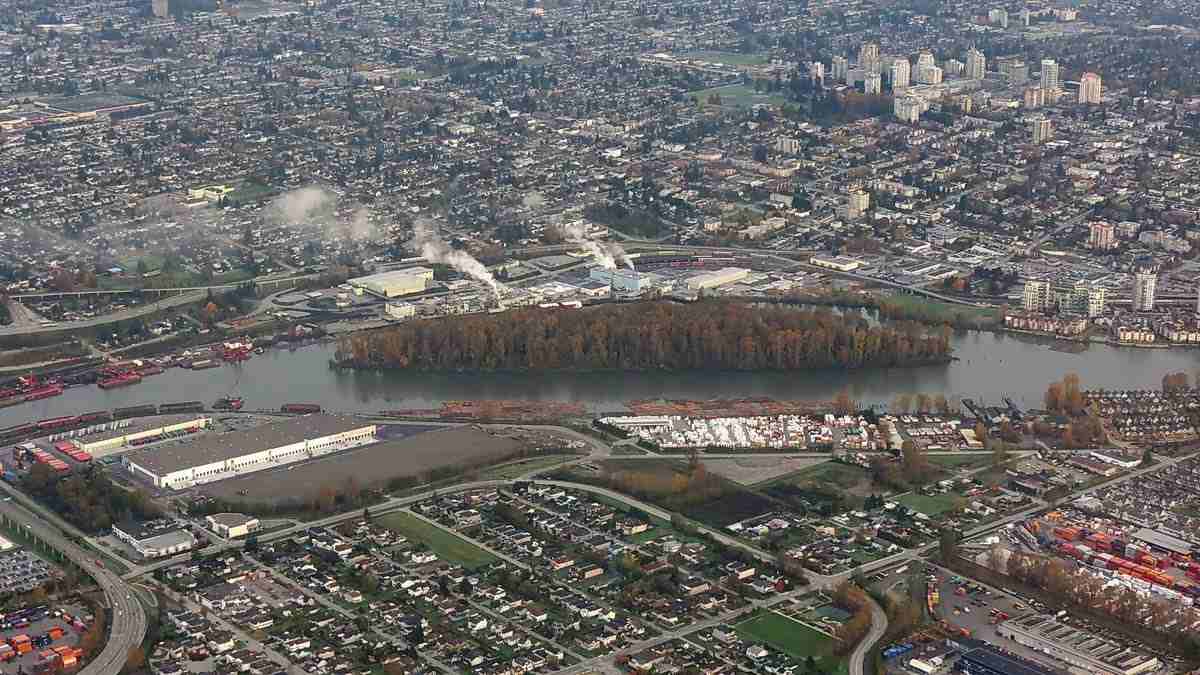
File photo: The Fraser River at New Westminster, British Columbia. This is a file photo of the river at the heart of the fishing-rights argument — it is NOT a photo of the November 2 press conference or any court filing. Photo: Bob Linsdell / Wikimedia Commons (CC BY 4.0).
Pipeline fights in Canada usually follow a familiar script: a big announcement, applause in one province, anger in another, then years of hearings. This one broke it. On Monday, November 2, chiefs from nine First Nations said, in plain terms, that Ottawa had already made up its mind about the Pacific Link pipeline before it ever really asked them.
What the nations actually filed in Federal Court
According to Reuters, Cheam First Nation asked Canada's Federal Court on Friday to set aside the designation of the Pacific Link pipeline — meant to carry one million barrels of Alberta crude a day to the West Coast — as a project of national interest, the label Prime Minister Mark Carney announced on October 1. Cheam alleges Ottawa gave it too little information to judge the impact on its rights before the call, and that consultation was constitutionally inadequate.
Cheam did not file alone. According to CBC News, the St'át'imc Chiefs Council — speaking for nine applicants — told a press conference on Monday it wants a say in whether the pipeline should be built at all, not just how. Named applicants include Boston Bar, Lower Nicola, Kwantlen, Tsartlip, Kwikwetlem and Skeetchestn, alongside Cheam and St'át'imc communities along the route and tanker lanes.
Tsartlip's application sharpens the point: according to CBC News, Ottawa has not given sufficient information about the project and its potential impacts, and the court should confirm the government must meaningfully consult before deciding. The nine nations' applications, according to Dow Jones, ask the court to quash the listing as unlawful, unconstitutional and inconsistent with the United Nations declaration on Indigenous rights.
Why the Fraser River sits at the centre of this fight
Look at a map, and the argument comes into focus. The proposed pipeline, roughly 1,200 kilometres long, would run from Bruderheim, Alberta, to Roberts Bank in Delta, largely following the existing Trans Mountain path to Metro Vancouver. It would cross, according to Chief Justin Kane, chair of the St'át'imc Chiefs Council, more than 500 rivers and streams, and is expected to double crude oil tanker traffic in the Salish Sea.
Enjoyed this guide?
Canada Pulse is an independent publication. Every guide is researched, written and carefully edited, and kept free forever. If this saved you time or made your life easier, please don't let the effort go unnoticed — support our work with whatever you can, from $1 upward. Every dollar keeps the guides coming.
💛 Donate via PayPalOne river matters most, the Fraser. Kúkwpi7 Bonnie Adolph, chief of Sekw'el'was, a St'át'imc community, said she was proud to represent her nation, and has spent her life fishing a river her people depend on. According to CBC News, her community wrote to the federal Major Projects Office asking to be consulted about the listing. The council says approving the project without a full assessment of salmon and fishing-rights risks, and without deep consultation aimed at every affected nation's consent, is unacceptable and unlawful.
What Ottawa says, and what it has promised
Ottawa has not answered the legal argument in detail. Dominic LeBlanc, the minister responsible for internal trade, is aware of the challenges but will not comment, according to news reports, with a spokeswoman conveying that position by email. Pacific Link said by email it respects the right of Indigenous communities to raise concerns.
The government's broader position is on the record. According to Reuters, Carney has said there will be extensive consultations, and communities along the route will be offered a minimum 10 percent equity stake. The pipeline was the first project designated under the Building Canada Act, announced jointly by Carney and Alberta Premier Danielle Smith, with Ottawa aiming to complete the regulatory process by September 1, 2027. Its estimated cost, according to CBC News, is $35.2 billion to $42.7 billion, with government-owned Trans Mountain Corp building it with Pembina Pipeline Corp. Terry Teegee, regional chief of the B.C. Assembly of First Nations, told reporters in Richmond on Monday that a pre-approved project does not meet the standard of free, prior and informed consent, while Tsartlip spokesman Adam Olsen called the streamlined process reckless.
What happens next, and why the clock matters
This is not the first challenge: Cold Lake First Nations in Alberta filed the first judicial review application on October 8, and the new B.C. filings landed last week. Together they test one question: can Ottawa use its new fast-track law to move a mega-project at speed and still meet its duty to consult?
The answer will not come quickly. Ottawa wants regulatory work finished by September 2027 so construction can follow, and a case questioning the very first step — the listing itself — does not fit neatly into that schedule. For Carney, who has pitched the pipeline as central to diversifying Canada's economy while American tariffs bite, a courtroom loss would force a rethink of the fast-track system.
For the nations involved, the stakes read differently. They are not asking the court to decide whether Canada needs new export routes. They are asking whether anyone asked them, properly, before Ottawa declared this route a matter of national interest. If the court agrees the answer was no, the pipeline does not automatically die — but the process has to start again, slower, with the people most affected in the room from the beginning.
Sources
- Reuters — British Columbia First Nation files court challenge over Pacific Link oil pipeline consultations
- CBC News reporting — B.C. First Nations challenge Ottawa’s decision to fast-track Pacific Link pipeline
- Dow Jones via Morningstar — Canadian First Nations Launch Legal Challenges to Planned Pacific Link Oil Pipeline
- The Canadian Press reporting — B.C. First Nations file court challenge against the proposed Pacific Link pipeline
Enjoyed this guide?
Canada Pulse is an independent publication. Every guide is researched, written and carefully edited, and kept free forever. If this saved you time or made your life easier, please don't let the effort go unnoticed — support our work with whatever you can, from $1 upward. Every dollar keeps the guides coming.
💛 Donate via PayPal