A U.S. Company Is Suing to Kill Trump's Canada Tariffs — and Ottawa Should Be Watching
The newest challenge to Donald Trump's Canada tariffs isn't coming from Ottawa. It's coming from a food importer in New York — and it could end up mattering more to Canadian exporters than anything said at a press conference this month.
Gellert Global Group sued the Trump administration on Tuesday in the U.S. Court of International Trade, asking the court to block the 50% tariffs Trump imposed on a wide range of Canadian imports over the summer. The lawsuit, filed by the legal nonprofit Liberty Justice Center, argues the duties are "another attempt to claim presidential tariff power that has been rejected in court," Reuters reported.
"No president should have the power to pull a dormant statute off the shelf and use it to impose sweeping tariffs or import bans without the limits Congress required," said Sara Albrecht, the center's CEO.
The White House did not immediately respond to a request for comment.
A Law Nobody Had Used in Nearly a Century
The legal hook is what makes this case interesting. To impose the tariffs, Trump invoked Section 338 of the Tariff Act of 1930 — a Depression-era provision that, as far as anyone can tell, had never been used in its nearly 100 years on the books.
Trump's stated reason: Canada's alleged discriminatory treatment of American-made cars, alcohol and dairy products. The tariffs took effect August 22, after last-minute talks collapsed over U.S. demands that Ottawa said undermined its sovereignty.
Gellert's lawyers say the pattern is the point. Trump has leaned on shifting legal rationales — and a string of rarely used statutes — in what they describe as a persistent effort to claim tariff authority the Constitution assigns to Congress. This is the fourth time a wide-ranging tariff policy of his second term has been challenged in court. The Supreme Court already struck down most of his 2025 tariffs in February.
What Canada Did in Response
Ottawa didn't wait for the courts. On September 8, Canada's retaliatory tariffs took effect — C$27.6 billion worth, matched dollar for dollar against the U.S. levies, hitting steel and aluminum, dairy, appliances, agricultural equipment, pulp and paper, plastics and electronics at rates of 15%, 25% and 50%.
Enjoyed this guide?
Canada Pulse is an independent publication. Every guide is researched, written and carefully edited, and kept free forever. If this saved you time or made your life easier, please don't let the effort go unnoticed — support our work with whatever you can, from $1 upward. Every dollar keeps the guides coming.
💛 Donate via PayPalAlongside the counter-tariffs came a C$7.5 billion relief package for affected businesses and workers. And the public is behind the fight: an Angus Reid Institute poll found 62% of Canadians called the retaliatory tariffs "about right under the circumstances," with 64% saying Canada would emerge stronger by reducing its dependence on the U.S.
That sentiment is the backdrop to everything else this week — including Mark Carney's trip to Turkey, which is explicitly about building trade relationships beyond Washington.
Why This Lawsuit Matters for Canada
Let's be honest about what a court case can and can't do. Even a Gellert victory wouldn't instantly erase the tariffs — the administration would appeal, and trade lawyers expect a long fight. But every successful challenge narrows the legal ground Trump's tariff regime stands on, and it gives Canadian negotiators one more piece of leverage: the tariffs may not just be bad policy, they may be unlawful.
For Canadian exporters caught in the crossfire — the steel fabricators, the dairy processors, the auto parts shops — the case is worth following. The Court of International Trade in New York is where these fights get decided first. If the judges there start poking holes in Section 338, the whole edifice of the summer tariff wave starts to wobble.
In a trade war fought mostly with press releases, a courtroom is where things actually get settled. I'll be watching this one.
Editor's note: we couldn't verify a fresh video from a Canadian outlet covering the lawsuit, so we skipped the embed rather than shoehorn in an unrelated clip. The links below take you straight to the reporting.
Sources
- Reuters (via WABX) — "Food importer files new lawsuit to block Trump's Canada tariffs" (October 20, 2026)
- KenCrave — "The 50% Tariff Burden: Who Really Pays for US-Canada Trade Nationalism" (2026)
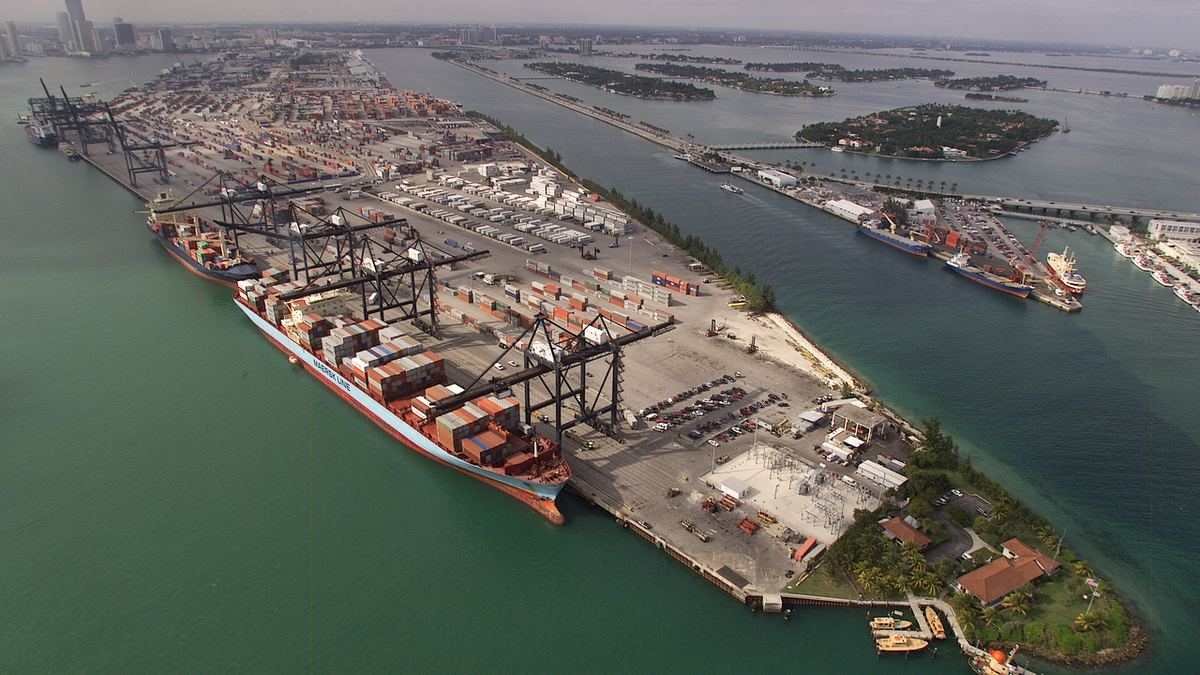
Photo: James R. Tourtellotte / U.S. Customs and Border Protection via Wikimedia Commons (Public domain) — aerial view of a container port (file photo).
Enjoyed this guide?
Canada Pulse is an independent publication. Every guide is researched, written and carefully edited, and kept free forever. If this saved you time or made your life easier, please don't let the effort go unnoticed — support our work with whatever you can, from $1 upward. Every dollar keeps the guides coming.
💛 Donate via PayPal