Saskatchewan Human Trafficking Bill: Hotels, Airbnb Hosts and Rideshare Drivers Would Have to Report Suspected Cases
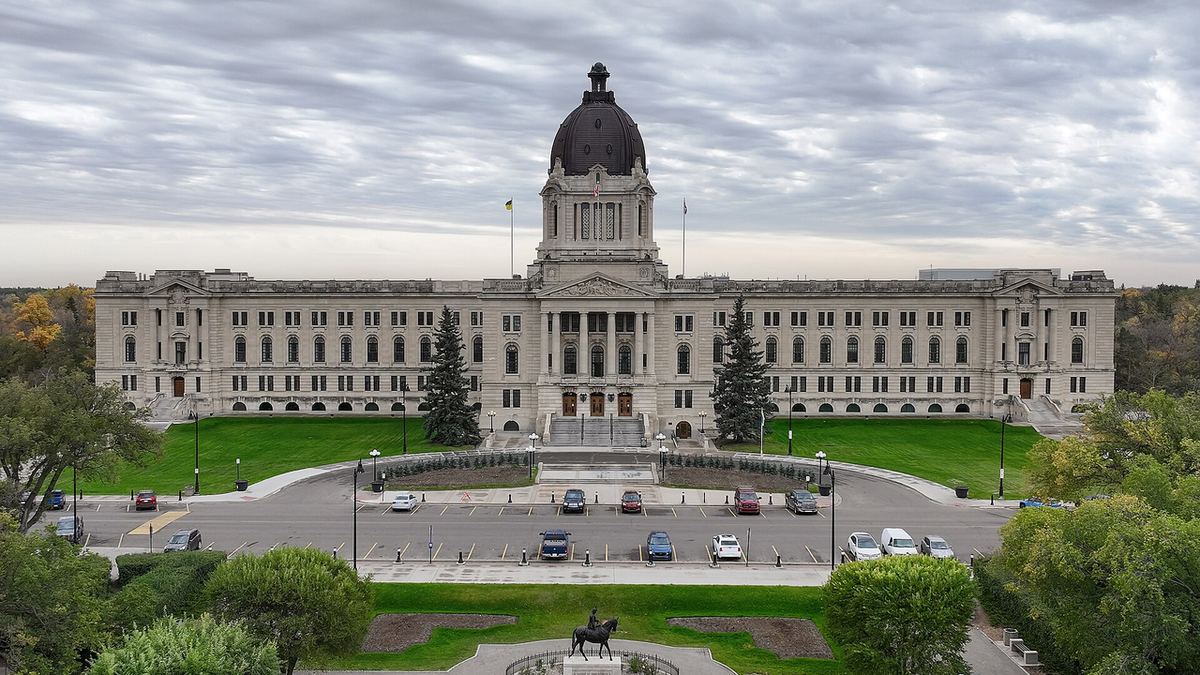
Photo: Quintin Soloviev / Wikimedia Commons (CC BY 4.0) — File photo: the Saskatchewan Legislative Building in Regina. Not a photo of the bill's introduction.
Saskatchewan wants hotel front desks, Airbnb-style platforms, and rideshare drivers to do something they have never been legally required to do: pick up the phone and call police when they suspect someone is a victim of human trafficking. The province introduced legislation to that effect this week, and if it passes, it will change what it means to work a night shift at a hotel or drive a late-night fare in Regina or Saskatoon.
The bill, foreshadowed in the October 27 Speech from the Throne as the Protection from Human Trafficking Act, was introduced on November 3, according to HR News Canada's report of the government's announcement. Justice Minister and Attorney General Tim McLeod said human trafficking is often concealed and highly mobile, which is exactly why hotels, motels, and short-term vacation rentals are so often used as locations for it. The logic of the bill is blunt: the people most likely to see something are the people working the desk, cleaning the room, or driving the car.
Here is what the proposed law would actually require. Hotel operators, online accommodation platforms, and driver-for-hire services would have to report suspected incidents of human trafficking to police. Hotel operators would have to maintain more detailed customer registers, and police would be authorized to demand access to a register when there are reasonable grounds to believe the information may assist in locating a victim. Police would also have to complete written reports and annual reporting when register access has been requested — a paper trail designed to keep the new power from being used casually.
Enjoyed this guide?
Canada Pulse is an independent publication. Every guide is researched, written and carefully edited, and kept free forever. If this saved you time or made your life easier, please don't let the effort go unnoticed — support our work with whatever you can, from $1 upward. Every dollar keeps the guides coming.
💛 Donate via PayPalMore than a reporting duty
The bill goes beyond the headline requirement. It would also update provisions for victims with coerced debts — the debts traffickers use to keep people trapped — and improve protections for victims more broadly. Saskatchewan's public awareness campaign on trafficking, stoptrafficking.ca, has already reached more than 600,000 people and earned two Gold Awards at the Viddy Awards, according to the government's release. The bill is, in that sense, the enforcement half of a campaign that has so far mostly asked the public to pay attention.
It is worth being precise about where this stands. This is legislation that has been introduced, not a law that is in force. The requirements described above are what the bill proposes; they would only bite once the Legislative Assembly passes it, and the details could still change in debate. Anyone running a hotel or a rideshare in Saskatchewan does not have a new legal duty today — but they have a very clear signal of what is coming.
Why Saskatchewan, and why now
There is a reason this bill starts with the hospitality industry rather than with police powers. Trafficking rarely announces itself at a border crossing or a police station. It shows up as a room paid for in cash, a guest who never seems to leave, a driver asked to wait outside a motel at odd hours. The province's argument is that the existing system waits for victims to come forward, and victims under coercion often cannot. Putting a reporting duty on the businesses whose premises are used shifts the first move from the victim to the bystander.
That shift will raise fair questions in the legislature: what counts as reasonable suspicion, what happens to a business that reports in good faith and gets it wrong, and how the register-access power is overseen. The written-report and annual-reporting requirements in the bill look like an attempt to answer the oversight question before it is asked. Whether they are enough is a debate for the coming weeks, and it is one worth watching beyond Saskatchewan — because if this model works, other provinces will be looking at it closely.
Sources
- Government of Saskatchewan via EIN Presswire, November 3, 2026 — Strong and Steady Saskatchewan: Government Introduces Legislation to Strengthen Saskatchewan's Response to Human Trafficking
- HR News Canada, November 3, 2026 — Saskatchewan bill would make hotels, ride services report suspected human trafficking
- Government of Saskatchewan Throne Speech via EIN Presswire, October 27, 2026 — 2026 Speech From the Throne will Keep Saskatchewan Strong and Steady
Enjoyed this guide?
Canada Pulse is an independent publication. Every guide is researched, written and carefully edited, and kept free forever. If this saved you time or made your life easier, please don't let the effort go unnoticed — support our work with whatever you can, from $1 upward. Every dollar keeps the guides coming.
💛 Donate via PayPal