Canada Makes Rural Immigration Permanent: 5,500 New PR Spots from January 2027 — Here's Who Qualifies

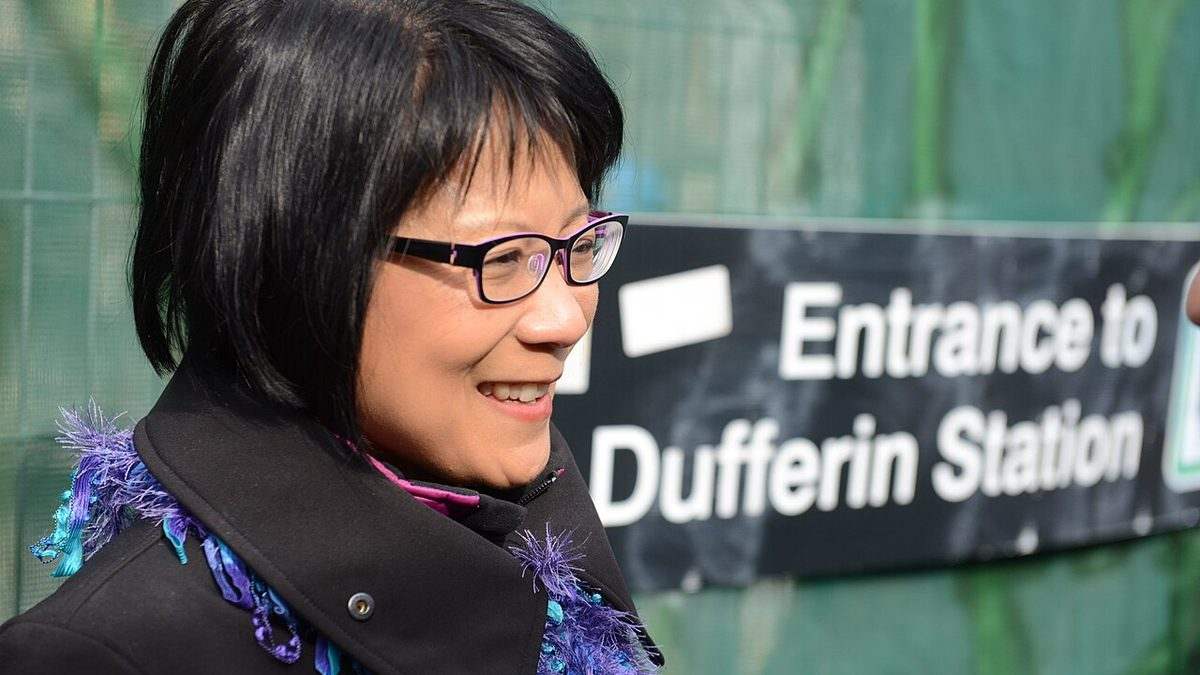
Photo: Lena Metlege Diab in 2026. Photo by Bryan R. Smith, CC BY 4.0, via Wikimedia Commons.
If you have a job offer in a small Canadian town and a community willing to vouch for you, the door to permanent residence just swung open a lot wider — and this time it is staying open. Canada has turned its rural immigration pilot into a permanent programme, with 5,500 permanent resident spots set aside for 2027 and the first recommendations under the new system to be issued from 1 January.
Immigration Minister Lena Metlege Diab made the announcement on Monday, 9 November, in Pictou County, Nova Scotia — one of the 14 communities that have been testing the scheme since it launched in January 2025. The message was simple: what started as an experiment is now a fixture of Canada's immigration system.
From pilot to permanent: what actually changed
The Rural Community Immigration Pilot, known as RCIP, was always a try-before-you-buy idea. It let 14 smaller communities across six provinces recommend skilled foreign workers for permanent residence, provided the worker had a job offer from a local employer the community had designated. The pilot closes on 1 January 2027. On the same day, the permanent Rural Community Immigration Program opens in its place.
Anyone holding a community recommendation dated 31 December 2026 or earlier needs to pay attention: those recommendations belong to the pilot, and the government says holders must apply for permanent residence before the recommendation expires. After that date, it is the permanent programme's rules that apply.
The model itself barely changes. It stays employer- and community-led, built around local labour shortages rather than a national points draw. A worker needs a job offer from a designated employer in a priority sector, a recommendation from the community, and to meet the requirements on language, education and settlement funds.
The numbers behind the announcement
Under Canada's 2027–2029 Immigration Levels Plan, released on 5 November, the permanent rural programme gets its own admissions line: 5,500 spots in 2027, rising to 6,000 in 2028 and 6,500 in 2029. The 2027 figure covers the programme's admissions line as a whole, including people still being processed from the earlier pilots — so it is a planning target for the stream, not 5,500 brand-new invitations on day one.
The pilot's record is the government's main selling point. Between January 2025 and August 2026, the 14 participating communities designated more than 1,950 employers and issued over 4,700 job offers and community recommendations. The early results, according to Immigration, Refugees and Citizenship Canada, have been strongest in health care, education and sales and services — the exact sectors small towns say they cannot staff.
Enjoyed this guide?
Canada Pulse is an independent publication. Every guide is researched, written and carefully edited, and kept free forever. If this saved you time or made your life easier, please don't let the effort go unnoticed — support our work with whatever you can, from $1 upward. Every dollar keeps the guides coming.
💛 Donate via PayPalThe idea has a longer history than the pilot. Its predecessor, the Rural and Northern Immigration Pilot, ran from 2019 to 2024 and welcomed more than 12,000 newcomers and their family members.
Which towns are in — and who can join next
The 14 communities already in the programme are expected to carry straight over, including Pictou County, North Bay, Sudbury, Timmins and Thunder Bay in Ontario, and Brandon and Moose Jaw on the Prairies. More communities will be able to apply through an expression of interest process: the bar is a population under 200,000 and a score of 0.20 or higher on Statistics Canada's Index of Remoteness.
Sean Fraser, the Minister of Justice and Attorney General, said the programme was already helping businesses in Pictou County find the workers they need.
For employers in those towns, permanence matters: a pilot can be wound up, but a permanent programme lets a hospital or manufacturer plan hiring years ahead.
Who this is really for
The programme is aimed squarely at skilled workers and international graduates in priority sectors who already have a foot in the door — a job offer and a community behind them. It is not a lottery, and it does not reserve places for any nationality; the pathway is open to qualified applicants from anywhere in the world.
That matters because the politics around it are delicate. The same levels plan that created these 5,500 rural spots also promises stabilised admissions targets overall and a continued push to reduce the temporary resident population. The government says it is refocusing immigration "to where it can best support the economy" — the towns losing people, not the cities gaining them.
For a nurse in North Bay, a teacher in Timmins or a trades worker in Brandon, the change is concrete: the route that brought them to Canada is no longer a trial. From 1 January, it is permanent — and 5,500 more people will walk through it next year.
Editor's note: No video of Minister Diab's 9 November announcement from a reputable outlet was available at publication time, so none is embedded — the official sources below carry the confirmed details instead.
Sources
- Immigration, Refugees and Citizenship Canada — Canada creates a permanent immigration pathway to help rural communities attract and retain talent
- CIC News — Canada launches new pathway to permanent residence
- News Central TV — Canada Makes Rural Immigration Programme Permanent
- TCF — Canada Makes Rural Immigration Permanent! New PR Pathway Set To Begin January 2027
Enjoyed this guide?
Canada Pulse is an independent publication. Every guide is researched, written and carefully edited, and kept free forever. If this saved you time or made your life easier, please don't let the effort go unnoticed — support our work with whatever you can, from $1 upward. Every dollar keeps the guides coming.
💛 Donate via PayPal