SeatGeek Fined Again: Ontario Slaps $22,500 in New Penalties for Ticket Resale Violations
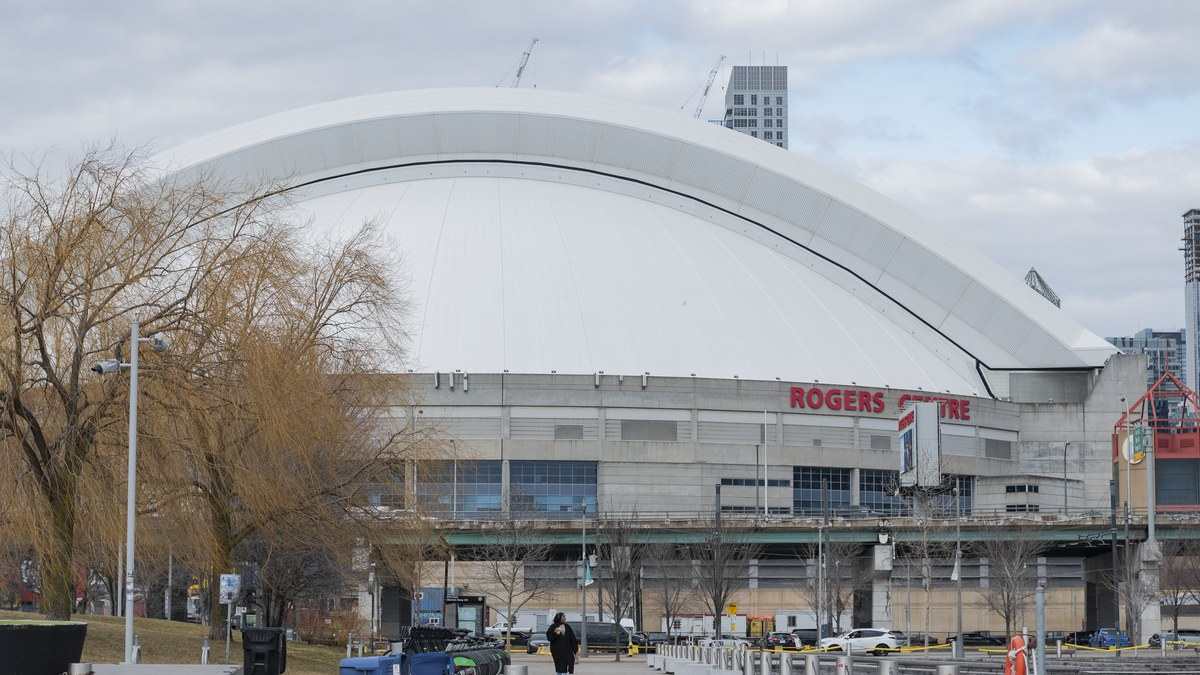
Photo: Rogers Centre in Toronto, the venue at the heart of the ticket-price fights that pushed Ontario to pass its face-value resale law. Photo by Fabian Roudra Baroi — CC BY-SA 4.0, via Wikimedia Commons.
If you tried to buy a seat for the Blue Jays' playoff run last year, or watched Taylor Swift resale prices climb into four digits in 2024, this story will feel personal. Ontario has fined SeatGeek Canada another $22,500 for allegedly breaking the province's new ticket resale law — the company's second round of penalties, and a clear sign Queen's Park has stopped being polite about it.
The new fines were posted on the province's consumer beware website earlier this month. According to The Canadian Press, which first reported the penalties on Thursday, the two fines were issued on October 8: $15,000 for allegedly making a ticket available for sale — or facilitating a sale — above the resale price limit, and $7,500 for allegedly failing to disclose the total price a ticket originally sold for. SeatGeek did not immediately respond to questions about which events triggered the penalties or whether it plans to fight them.
SeatGeek's Ontario fines now total $47,500
This is becoming a habit. Back on August 28, Ontario hit SeatGeek with three penalties totalling $25,000 for similar offences, making it the first company to face punishment under the strengthened law. A month later, rival resale platform StubHub Canada was fined $20,000. Add the latest $22,500, and SeatGeek's tab with the province now sits at $47,500.
The law behind all this took effect in April 2026, and it has a very specific origin story. Fans were furious about resale prices for Taylor Swift's Eras Tour stops in 2024 and again during last year's Blue Jays playoff run, when some listings were many times face value. The province's response was to ban reselling tickets to Ontario concerts and sporting events above their original all-in price — fees and taxes included. Corporations that break the rules face fines of up to $250,000.
Giulia Paikin, a spokesperson for Ontario's Minister of Public and Business Service Delivery Stephen Crawford, didn't answer questions about which events these fines are tied to. She did send a statement making the province's position plain: "We will not hesitate to hold bad actors who break the rules accountable."
Enjoyed this guide?
Canada Pulse is an independent publication. Every guide is researched, written and carefully edited, and kept free forever. If this saved you time or made your life easier, please don't let the effort go unnoticed — support our work with whatever you can, from $1 upward. Every dollar keeps the guides coming.
💛 Donate via PayPalWhy SeatGeek says complying is harder than it sounds
SeatGeek isn't taking this lying down, but its argument is worth hearing. When it was first fined in August, the company told The Canadian Press it had warned its third-party sellers about the new law but was still waiting on guidance from the province about how to actually follow it. The core problem, SeatGeek says, is verification: sellers often don't have access to a ticket's original face value, seats change hands several times before reaching a resale site, and when a ticket came from a season package or a bundled deal, splitting out the per-ticket price is genuinely messy.
"The core challenge hasn't changed," SeatGeek's vice-president of government affairs Joe Freeman told TicketNews. "Many sellers, including season ticket holders, don't have access to the original face value of their tickets." His point: primary sellers like Ticketmaster hold the pricing data, and independent platforms can't enforce a cap on numbers they can't see. Ticketmaster disputes that, saying receipts document what buyers paid.
Whatever the headaches, the province clearly thinks the platforms could be trying harder. Ticketmaster complied with the law while the resale sites kept listing Ontario tickets above face value anyway. Two rounds of fines later, SeatGeek's "we're still figuring it out" defence is wearing thin.
What Ontario ticket buyers should actually do
For anyone buying concert or sports tickets in Ontario, the law is already working in your favour, even if the scalpers haven't gotten the memo. Every resale listing is supposed to disclose the original all-in price — not just the base ticket, but the full amount the seller originally paid including fees. If a listing hides that number, or the resale price blows past it, the province's consumer beware website is the place to check whether the company has been flagged before.
The honest version of this story: scalping didn't start with SeatGeek, and a price cap won't end it. But for years, Ontario's resale rules were the kind of thing everyone agreed with and nobody enforced. That's changing. A law written because of Swifties and Jays fans is now collecting real cheques, and every fine posted to that consumer beware list is one more reason for resale platforms to clean up their listings before the province comes knocking again.
Sources
- The Canadian Press via CityNews — SeatGeek Canada hit with more fines totalling $22,500 over ticket resale violations (Oct. 15, 2026)
- TicketNews — Ontario Escalates SeatGeek Fines to C$47,500
- Exclaim! — SeatGeek Fined $25,000 Under Ontario's Ticket Reselling Laws
Enjoyed this guide?
Canada Pulse is an independent publication. Every guide is researched, written and carefully edited, and kept free forever. If this saved you time or made your life easier, please don't let the effort go unnoticed — support our work with whatever you can, from $1 upward. Every dollar keeps the guides coming.
💛 Donate via PayPal