Canada Grocery Benefit 2026: Your Extra $339 to $679 Payment Is Coming in Early 2027
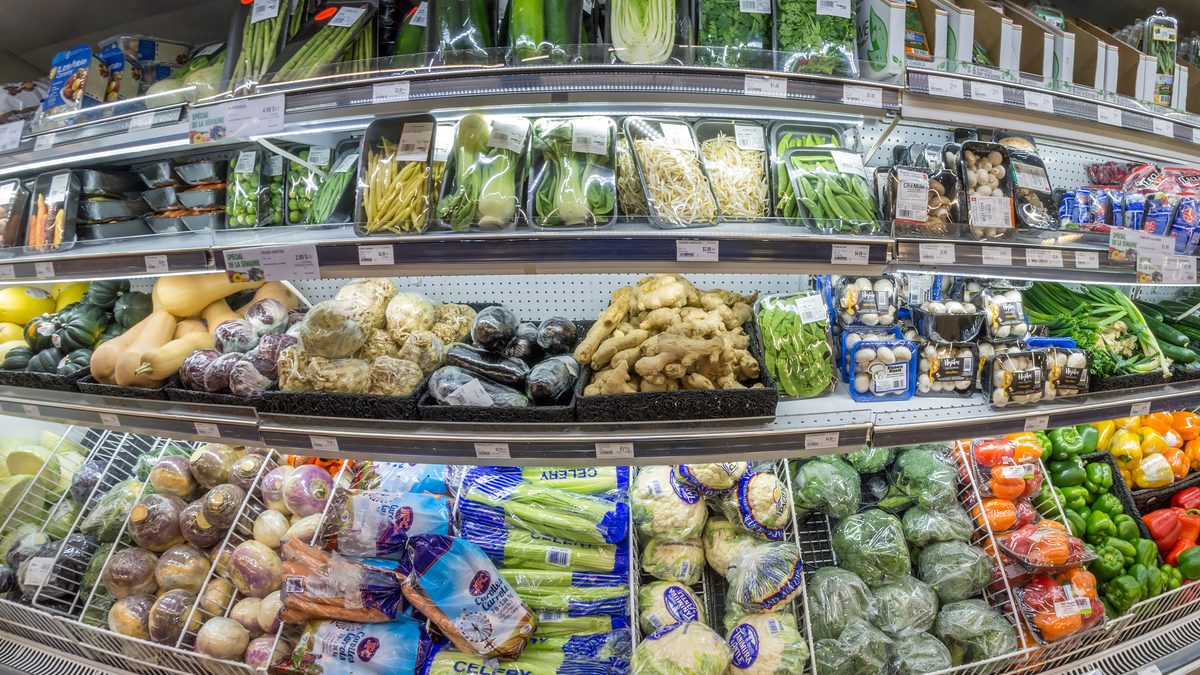
Photo: Wilfredor, via Wikimedia Commons (CC BY-SA 4.0). File photo of a supermarket in Quebec City, not taken today.
If you checked your bank account this morning hoping Budget 2026 had already put extra grocery money in it, I have good news and one small catch. The money is real — up to $679 extra for a family of four — but it will not land until early next year, and Parliament still has to say yes first.
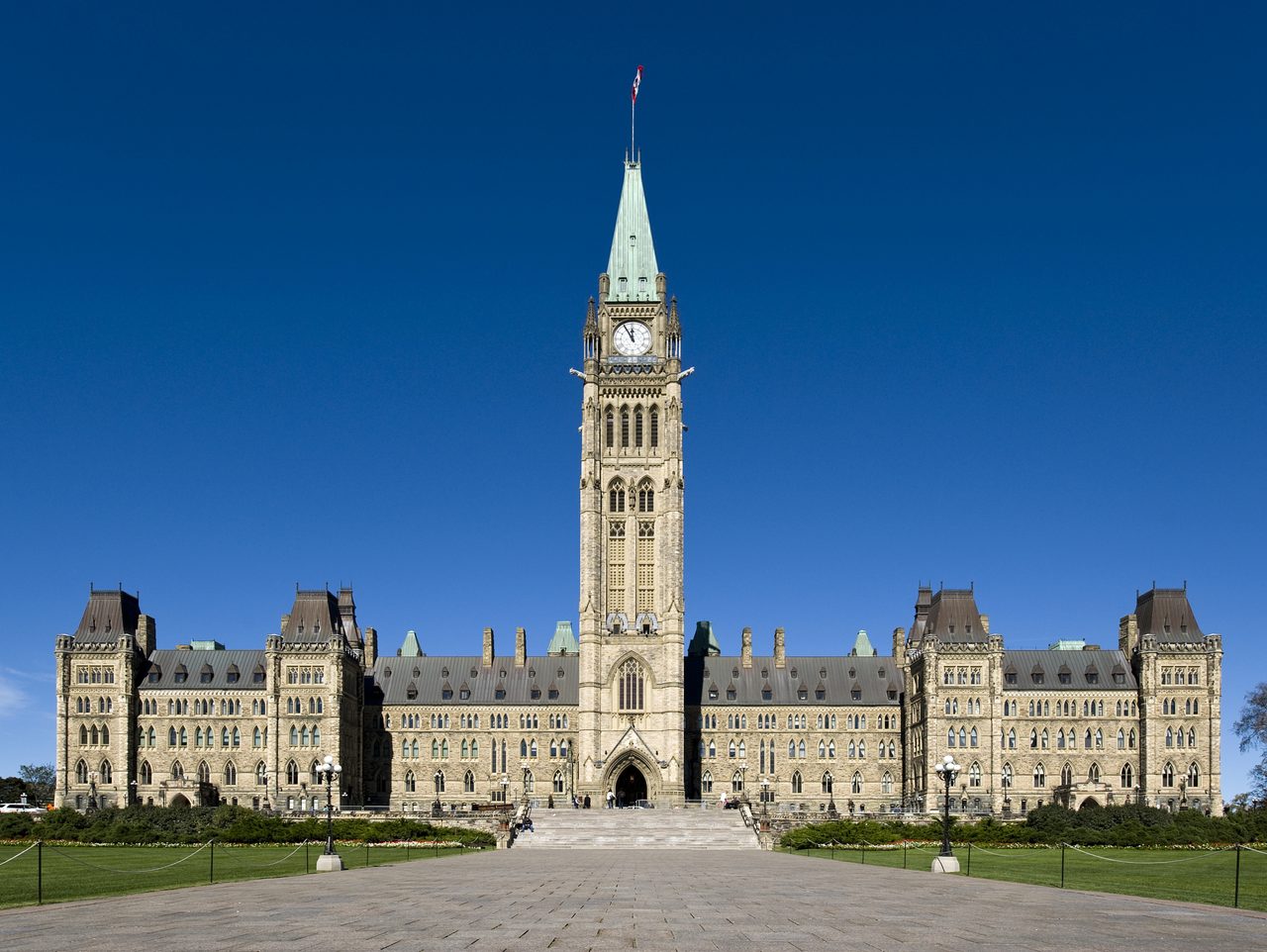
Finance Minister François-Philippe Champagne tabled the budget on Thursday, November 5, and the grocery measure was one of the few items in the 511-page document that most Canadians will feel directly. It is a one-time, 50 per cent top-up to the Canada Groceries and Essentials Benefit — the tax-free quarterly payment that replaced the old GST/HST credit in July — for the 2026–27 benefit year.
Here is the part that matters at the checkout. A single person with no children gets up to $339 extra. A couple with two children gets up to $679. The government says the supplement, worth $4.1 billion in total, could lift another 120,000 people out of poverty in 2027.
Video: The Canadian Press — Finance Minister François-Philippe Champagne tables Budget 2026 in the House of Commons.
Canada grocery benefit 2026: how much will you actually get in total?
The top-up stacks on money already announced. The benefit was boosted 25 per cent in July 2026, and a one-time payment went out in June. Put it all together and a single person at the maximum entitlement gets about $1,290 across the 2026–27 benefit year; a couple with two children gets about $2,570. The regular benefit alone pays up to $679 a year for a single person, $890 for a couple, and $234 for each child under 19.
Your amount depends on your 2025 tax return. The full payment goes to households with adjusted family net income of $46,432 or less, and it shrinks from there — a single person with no children stops qualifying at roughly $60,000. The Canada Revenue Agency recalculates the benefit every July, and it arrives in four quarterly payments, tax-free.
That income test is the detail most of the headlines skip. Two neighbours can get very different amounts from the same program, and the only way to know yours is to check your own notice from the CRA. If your income jumped in 2025, your payment may be smaller than the maximums quoted in the budget speech.
Enjoyed this guide?
Canada Pulse is an independent publication. Every guide is researched, written and carefully edited, and kept free forever. If this saved you time or made your life easier, please don't let the effort go unnoticed — support our work with whatever you can, from $1 upward. Every dollar keeps the guides coming.
💛 Donate via PayPalDo you need to apply for the grocery benefit top-up?
No. That is the best part of this benefit, and the part people keep missing. The CRA works out your entitlement automatically when you file your taxes, including if you had no income to report. There is no separate form for the top-up, and nobody legitimate will ever phone or text you asking for your banking details to “release” it. Your own amount and next payment date are visible in CRA My Account.
One warning, though: the budget has not named an exact payment date, only “early 2027.” And none of it is law yet. Budget 2026 still has to pass a vote in Parliament, so treat the dates as planned, not promised. If the vote fails, the whole package goes back to the drawing board.
What else is in the Budget 2026 affordability package?
Groceries were only one slice of a $22-billion affordability package. The budget also proposes a bigger refundable tax credit for low-income workers — up to $3,143 a year — and changes that could let caregivers claim up to $1,260 a year. The federal fuel excise tax stays suspended until the end of January 2027, worth about 10 cents a litre at the pump, and the government is putting $11 billion into social housing over the coming years.
The bigger picture is less cozy. The same budget projects a $62.3-billion deficit this year and $142.1 billion in new spending over five years. The government says stronger-than-expected revenues cover much of it, and the Parliamentary Budget Officer has pushed back on the math in past years. Whether the grocery money survives the politics is the question to watch over the next two weeks — but if it passes, the extra cash is the most direct help in the whole document, and for more than 12 million Canadians it will show up without them lifting a finger.
Sources
Department of Finance Canada — Budget 2026: Key Measures (Nov. 2026)
Reuters — Key proposed measures in Canadian federal budget (Nov. 2026)
Canada Revenue Agency — How much you can get: Canada Groceries and Essentials Benefit (Nov. 2026)
Enjoyed this guide?
Canada Pulse is an independent publication. Every guide is researched, written and carefully edited, and kept free forever. If this saved you time or made your life easier, please don't let the effort go unnoticed — support our work with whatever you can, from $1 upward. Every dollar keeps the guides coming.
💛 Donate via PayPal